RFID Tool Tracking in India: Tool Cribs, MRO and FOD
Published 25 Oct 20267 min read
Written and maintained by the RFID team at Identium Tech Solutions Pvt Ltd, New Delhi (India RFID Store).
Prices checked on 22 Oct 2026 against the catalogue.

Short answer: RFID tool tracking fixes a small on-metal UHF tag to every tool, so the tool crib records who took which tool, a handheld can find it, and an end-of-shift check shows whether every tool came back. On spanners, sockets and gauges the tags are millimetre-sized PCB discs and bars, bonded or screwed on, that read at short range on metal; larger screw-mount and stud-mount tags go on torque wrenches, trolleys and calibration cases. In aircraft maintenance this supports the tool control register that DGCA's CAR-145 expects and the end-of-job check that stops a forgotten tool from becoming foreign object debris.
Every workshop that issues tools has the same two questions at the end of a shift: is everything back, and if not, who had it last? A tool board with painted outlines answers the first for one bench; a paper issue register answers the second, slowly. An RFID tool crib answers both for the whole store, and it keeps the history the auditors ask for. This guide covers how a crib works with RFID, which tag fits which tool, how to fix tags so they stay on, which readers to use, and where the aviation rules on tool control and foreign object debris come in.
How does an RFID tool crib work?
- Tag and register: each tool gets a tag whose number is entered in the tool register against the tool's description, serial number and calibration due date.
- Issue: the technician's ID card and the tools are read at the crib counter or door, so the issue is recorded against a person.
- In use: a handheld finds a tool on the shop floor when someone needs it.
- Return: the tools are read back in, and the software lists anything still out.
- Calibration and service: the register flags tools that are due, and the software can block the issue of a tool whose calibration has lapsed.
The tag carries only an ID. The tool's details, its calibration record and its issue history live in the register software; the RFID tool tracking system page shows how the parts fit together.
Which RFID tag fits which tool?
Tools are metal and often small, so they need on-metal tags, and the smallest of those read at short range. The figures are from each product page; read distance depends on the reader and on the tool the tag is fixed to.
| Tool | Tag | From the product page | Price |
|---|---|---|---|
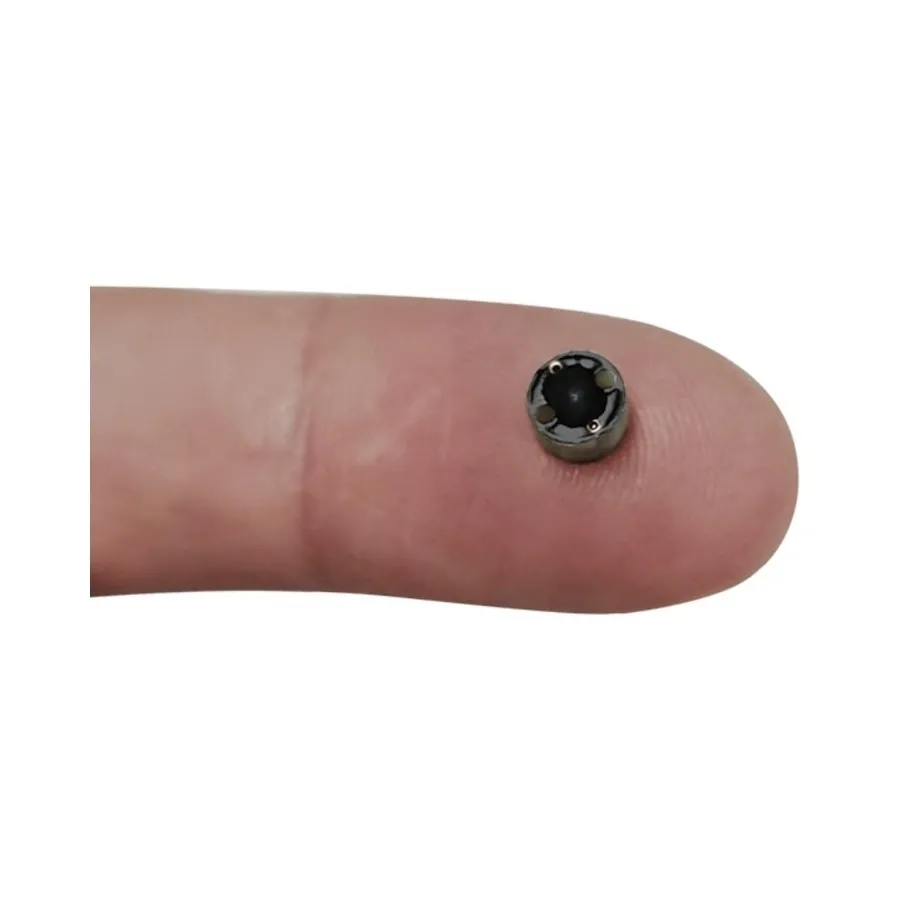
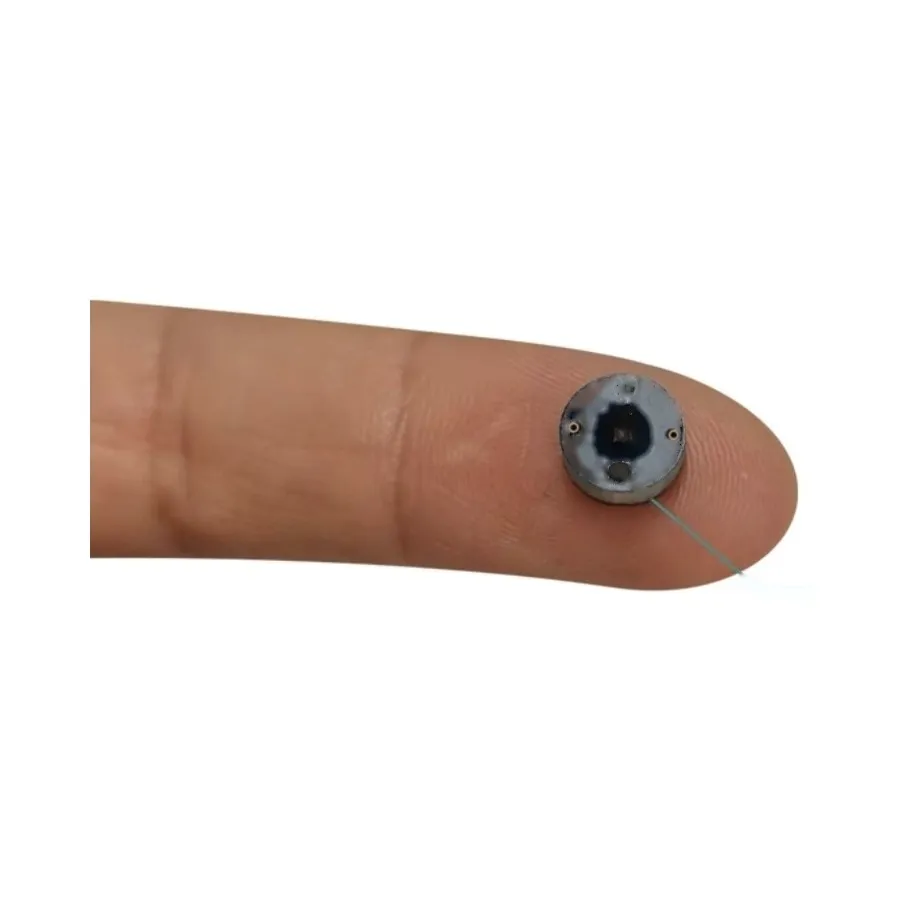
| Sockets, bits, small gauges | IDTS-D05 micro disc | Ø 5 mm × 4 mm; approx. 0.5 m on metal; no mounting hole, so it is bonded | ₹89 + GST |
| Small spanners, pliers, gauges | IDTS-D08 disc | Ø 8 mm × 4 mm; approx. 1.5 m on metal; 1.4 mm hole | ₹89 + GST |
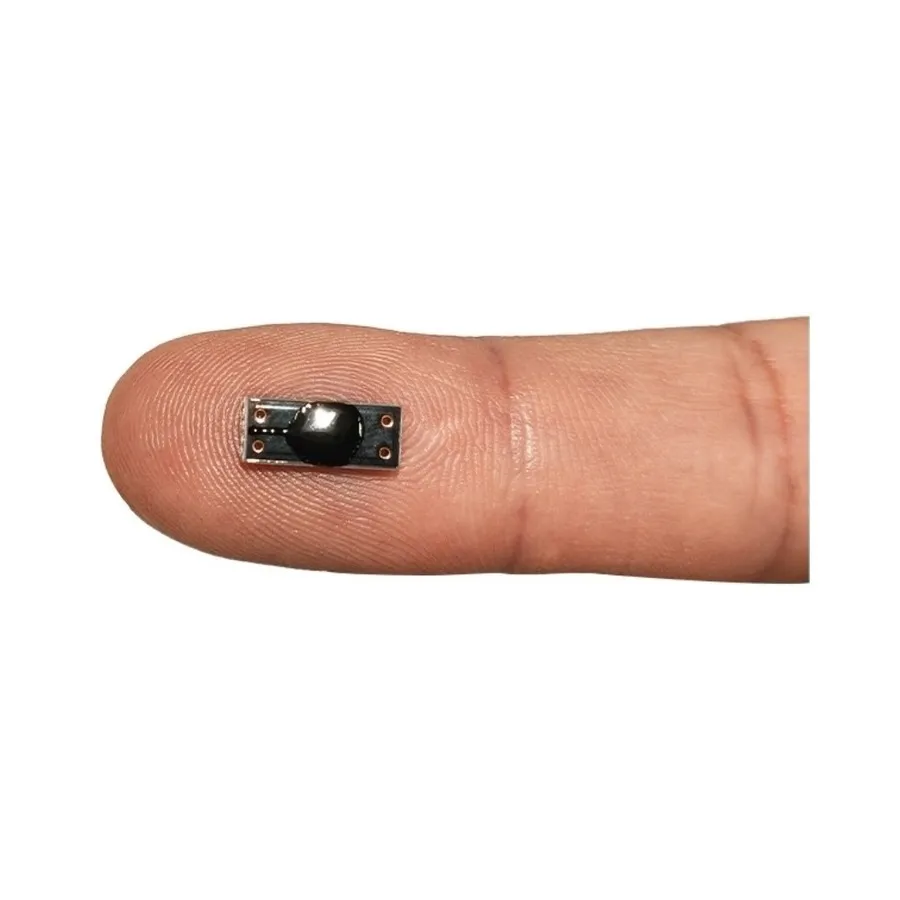
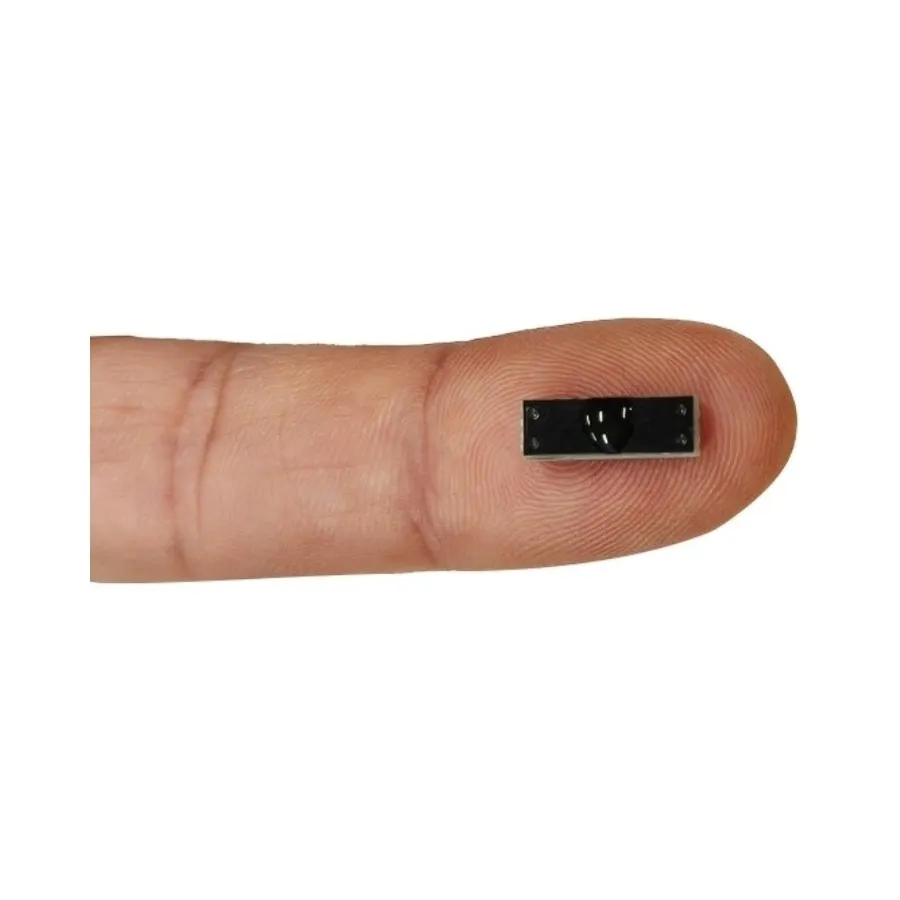
| Hand tools with a small flat face | IDTS-1004 miniature PCB tag | 10 × 4 × 2.8 mm; approx. 1.2 m on metal; four plated corner holes; chip under an epoxy dome | ₹89 + GST |
| Hand tools, instruments | IDTS-1204 micro PCB tag | 12 × 4 × 2.8 mm; approx. 1.5 m on metal; solder pads at both ends | ₹89 + GST |
| Tools where the tag must be embedded | Ceramic tag ID-C6012 | 4 × 4 × 3 mm; up to 1.7 m on metal with a fixed reader; IP68; epoxy bonding or embedded | ₹443 + GST |
| Torque wrenches, large tools, tool cases | IDTS-6015 screw-mount tag | 60 × 15 × 4 mm; approx. 6 m on metal; two 4 mm end holes, 54 mm apart, plus a centre hole | ₹89 + GST |
| Trolleys, jigs, ground equipment | IDTS-7024 stud-mount tag | 70 × 24 × 7 mm body with an M3 threaded stud; approx. 4 m; −40 °C to +200 °C; not specified as anti-metal, so test it before fixing to large metal bodies | ₹89 + GST |
| Tools that must be found in a full drawer | IDTS-6010-LED tag or IDTS-5213-LED tag | A green LED lights when the tag is read, visible from approx. 2 m; approx. 3 m (6010-LED) and 4 m (5213-LED) on metal | ₹89 + GST (6010-LED); ₹89 + GST (5213-LED) |
The PCB micro tags are rated for operation from −20 °C to +150 °C, and all of these tags are sold with a minimum order of 500 pcs per type. The wider choice is in the on-metal tag range and the PCB and ceramic tag range, and our guide to choosing on-metal tags explains the trade-off between size and read distance.
How do you fix a tag to a tool so it stays on?
- Choose the spot: a flat area away from the jaws, the working end and the grip, where the tag will not be knocked or worn.
- Recess small tags: on tools that get dropped, a shallow counterbore lets a disc or ceramic tag sit flush under its adhesive.
- Use the right fixing: an epoxy suited to the oils and solvents in your workshop for discs and ceramic tags; screws or rivets for the larger PCB tags; a stud for the IDTS-7024.
- Cylindrical handles: a heat-shrink sleeve over the tag holds it on a round handle and protects the edges.
- Calibrated tools: never drill or bond onto a part that affects calibration; ask the tool maker where a tag may go.
- Keep the printed IDs: the tool's own serial number and any calibration label stay visible; the RFID tag adds to them.
Test every fixing on the actual tool before tagging a whole crib: the same tag reads differently on a long spanner and on a small socket.
Which readers go at the crib and on the shop floor?
| Job | Reader | From the product page | Price |
|---|---|---|---|
| Crib counter or door | IF9A integrated reader | Fixed reader with a built-in 9 dBi antenna, BIS and WPC approved; Ethernet, PoE, RS232, USB or Wiegand, with an optional relay | ₹24,000 + GST |
| Finding tools and shift-end checks | CX1000 UHF handheld | A handheld running IDOS, Identium's own OS built on Android 15 | ₹30,000 + GST |
| Small cribs and spot checks | UCR10 UHF portable reader | Plugs into the USB Type-C port of an Android phone or tablet, or a USB-C iPhone; up to 1.5 m | ₹12,000 + GST |
Because the smallest tags read at about a metre or less on metal, a counter where tools are placed in front of the reader works better than a wide doorway. The technician's ID card can be read by a separate card reader wired to the same controller, often over Wiegand; our guide to RFID reader interfaces explains the options.
What does DGCA's CAR-145 ask for on tools?
Aircraft maintenance organisations approved under CAR-145 must have and use the tools and equipment their approved work needs, and must control and calibrate tools, equipment and especially test equipment to an officially recognised standard, keeping calibration records and traceability (145.A.40). The acceptable means of compliance adds that tools needing control for servicing or calibration should be clearly identified and listed in a control register, including any personal tools the organisation allows, and that a clear labelling system should show when each item's next inspection, service or calibration is due.
RFID does not change these requirements. It gives every tool a readable identity that points to its control register entry, so the register is quicker to keep and an audit is quicker to run; the visible labels still stay on the tools. We quote CAR-145 Issue 02 of 8 October 2013, the copy we could fetch; check the current revision on the DGCA website before you write it into a procedure.
Why does a shift-end tool count matter for FOD?
The US Federal Aviation Administration defines foreign object debris (FOD), in its advisory circular on airport FOD management, as any object, living or not, in an inappropriate place in the airport environment that can injure airport or airline staff or damage aircraft. A spanner left on an apron or in an engine bay is exactly that. A crib that knows which tools are still out at the end of a job lets the supervisor stop and search before the aircraft is released, instead of discovering the gap at the next stock-take.
The same logic applies outside aviation: railway workshops, power plants, refineries and production lines all lose time and risk damage when a tool goes missing inside a machine. For defence workshops, our DEFSAC supplier guide covers how defence units buy RFID tool tags, and our guide to fixed asset audits covers larger equipment.
How do we pilot RFID in one tool crib?
Start with one crib and its most-issued tools. Order samples of two or three tag types, fix them to the real tools, and run issue, return and shift-end checks for a few weeks, logging every missed read and every tag that comes loose. Then settle the tag per tool type and the fixing method before tagging the rest. Our RFID pilot plan gives a reusable test protocol, and you can request tag samples; readers are bought, not sampled.
Sources
- DGCA Civil Aviation Requirements, CAR-145: Approval of Maintenance Organisations, Issue 02, 8 October 2013 (145.A.40 and its AMC; copy hosted by a training institute), accessed 25 October 2026
- US Federal Aviation Administration: FAA Foreign Object Debris (FOD) Program, citing AC 150/5210-24, accessed 25 October 2026
Cite as: India RFID Store (Identium Tech Solutions Pvt Ltd), “RFID Tool Tracking in India: Tool Cribs, MRO and FOD”, https://www.indiarfidstore.com/rfid-resources/rfid-tool-tracking-india-tool-crib-mro-fod-on-metal-tags, published 25 Oct 2026.
Frequently asked questions
How do you put an RFID tag on a small hand tool?
How far away can an RFID tag on a spanner be read?
Does RFID replace the calibration label on a tool?
Can RFID show which technician has a tool?
Will RFID tool tags survive drops, oil and cleaning solvents?
What does an RFID tool tag cost in India?
Tool TrackingMROOn-Metal TagsAviationManufacturing
Keep reading
More guides



More in Industries & use cases
- Logistics Data Bank Passes 10 Crore RFID-Tracked Containers: Gate Lessons for CFS, ICD and Factory Yards
- FASTag Readers at a Private Warehouse Gate: What CWC's Smart Warehousing Rollout Shows (2026)