Printed UHF Cards
₹30 + GST
Min. order 500 pcs

Shop by category
People & access
A placement drive or job fair moves a large crowd of candidates through registration, a written test, group discussion and several interview panels, often in a single day. Sign-in sheets and spreadsheets lose track of who reached which round, and coordinators end up matching lists by hand after the event.
With RFID, each candidate carries a UHF badge or wristband linked to their registration record. A reader at every desk or hall door notes when they arrive, so the hiring team works from a live list for each round. This page covers the badges, readers and encoders sold in this store; the recruitment software itself comes from IdentiumOne.
Register and issue a badge
Candidates sign up in advance or at the help desk. Staff encode a UHF card or wristband with the candidate ID on a desktop reader and hand it over with the venue plan.
Log arrivals at the hall
A fixed reader or walk-through gate at the venue entrance picks up each badge as candidates walk in, giving a running headcount without a queue at a sign-in table.
Record every round
Each test room and interview panel keeps a small desk reader. Holding the badge near it marks the candidate present for that round, and the panel enters the outcome against the same ID.
Shortlist and wrap up
By the close of the drive the software holds a round-by-round history for every candidate, ready for shortlists, offer letters and the next campus on the calendar.
Candidate badges
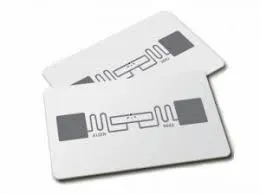
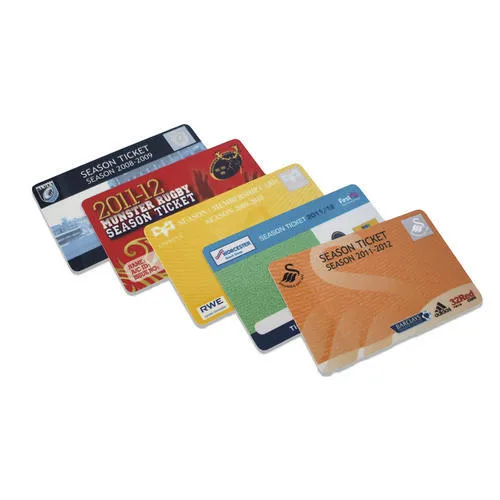
Printed UHF PVC cards carry the candidate name, photo, QR code and serial number on the face, with the chip encoded to the registration ID. Blank printable UHF cards suit teams that print badges on site.
Wristbands for walk-in fairs
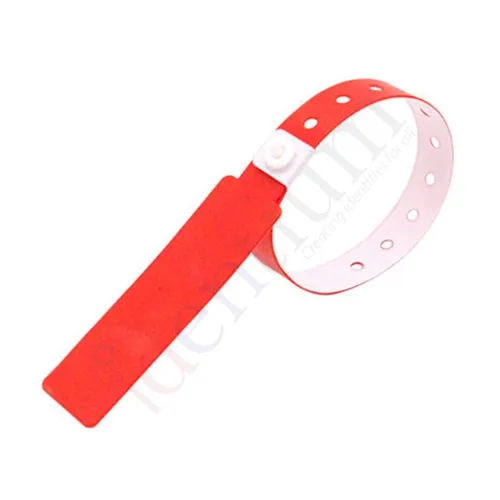
A UHF PVC wristband with a tamper-evident snap clasp makes it easy to see if a band has been taken off, which suits open job fairs where walk-in candidates register at the gate.
Registration and interview desks
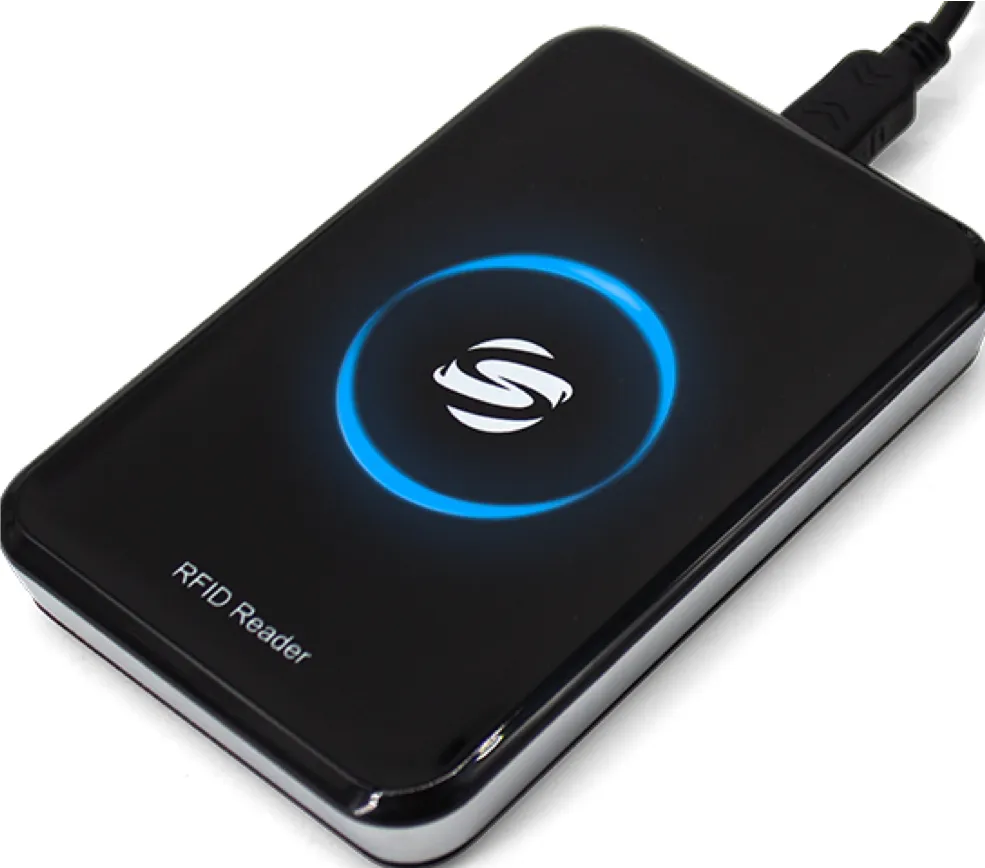
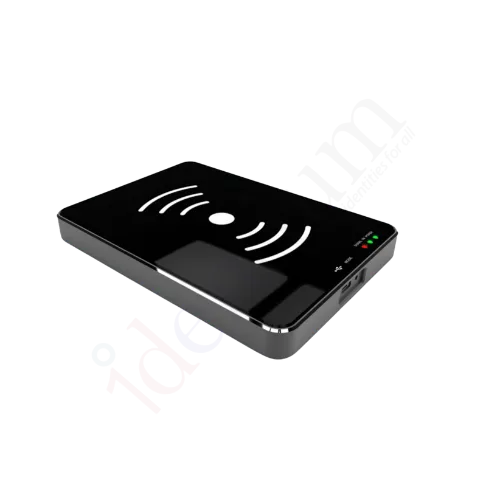
The UDR-111 desktop reader reads a badge held within about half a metre and can type the ID straight into an open form in keyboard mode. For badges prepared before the drive, the 120L reader imports a candidate list from Excel and encodes cards in bulk.
Venue entrance
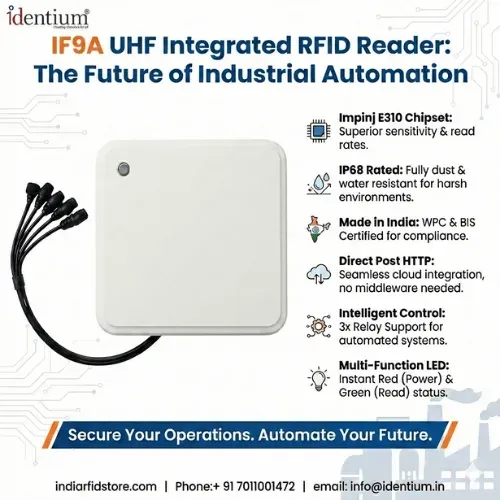
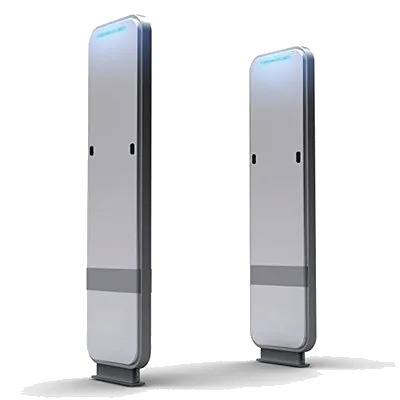
An IF9A integrated reader mounted at a hall door logs badges as candidates enter. For a main entrance that needs separate in and out counts, the HLR200 gate reader has built-in direction sensors and an alarm.
Roaming checks
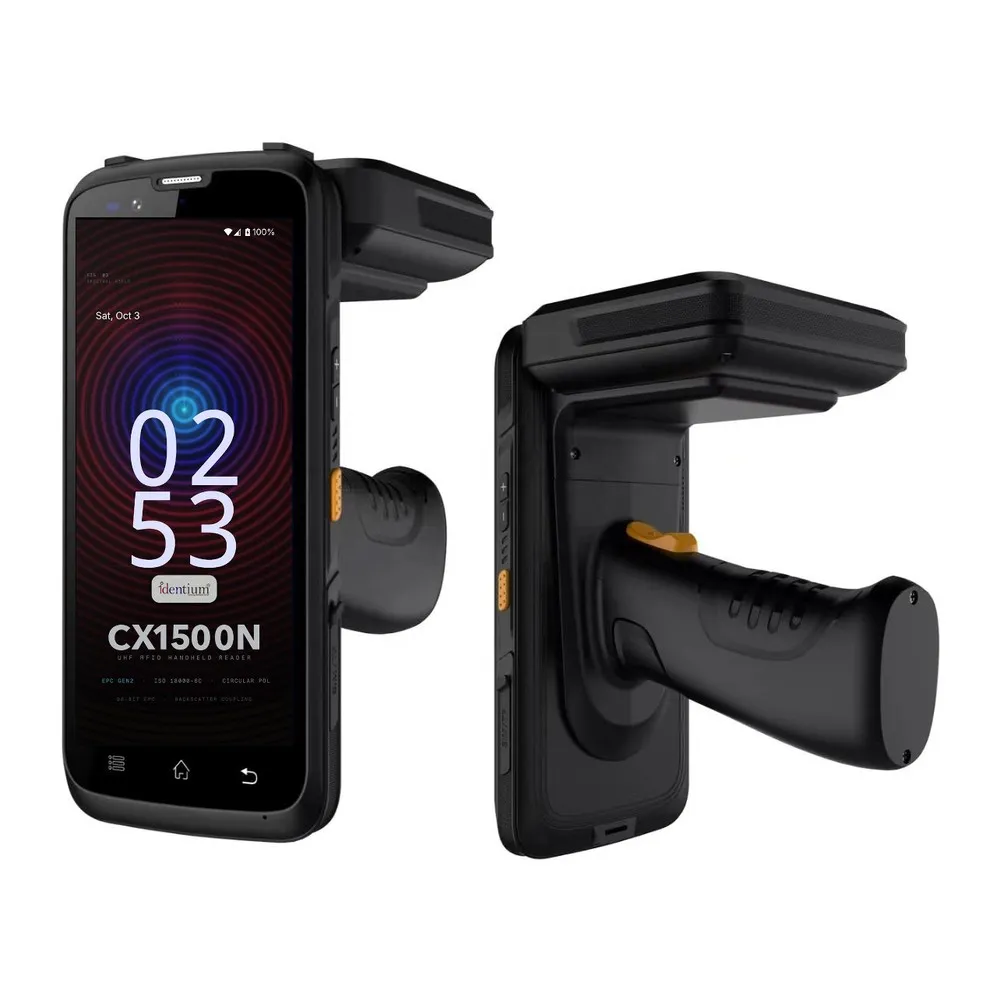
The CX1500N UHF handheld lets volunteers check a waiting area or find a candidate who missed a call, reading badges from a few metres away.
The badges and readers on this page only capture who was where and when. Candidate registration, round-wise attendance, panel results, shortlists and reports run in the RFID Recruitment Management System from IdentiumOne, which works with the same UHF badge IDs your readers record. For the full feature list, a sample hiring-day layout and a demo, visit IdentiumOne.
RFID recruitment management software and live demo on IdentiumOneCards are the better fit when you want a printed photo badge worn on a lanyard. Wristbands suit open job fairs where each band should stay with the person wearing it. Both are UHF, so they work with the same desk, entrance and handheld readers listed on this page.
Yes. The printed UHF cards take full-colour printing on one or both sides, including name, photo, serial number and QR code, and the PVC wristbands can carry a logo and event name. Cards and wristbands are sold in lots of 500 or more.
A USB desktop reader such as the UDR-111 covers most desks: it reads a badge placed close to it and can type the ID into a form in keyboard mode. Choose a fixed IF9A reader or the HLR200 gate where many candidates pass through a doorway at once.
The store sells the RFID hardware. The recruitment software, covering registration, round tracking and shortlists, comes from IdentiumOne, where you can also ask for a demo.
Product finder & instant answers