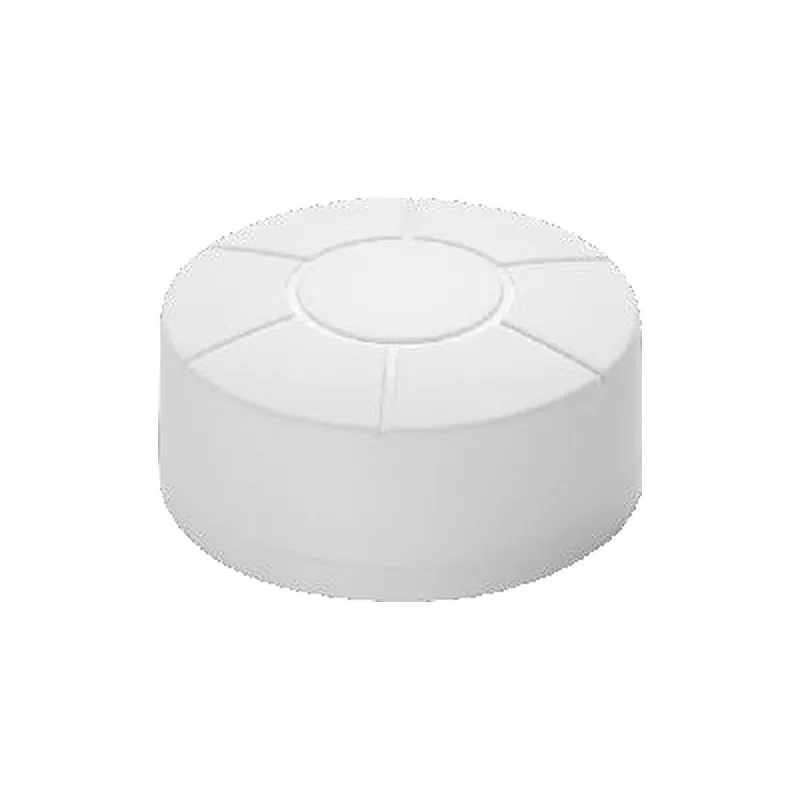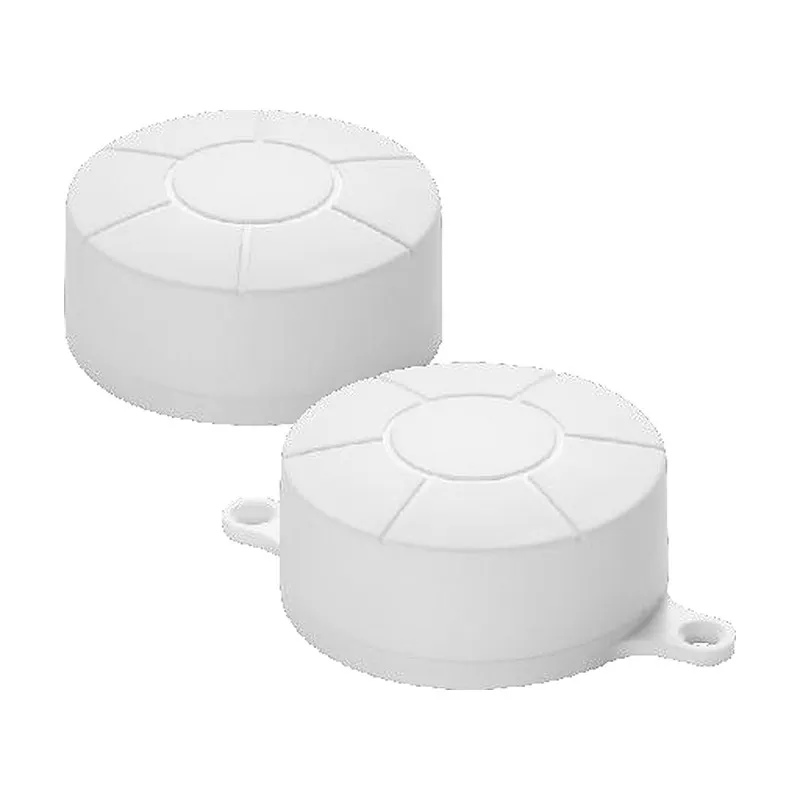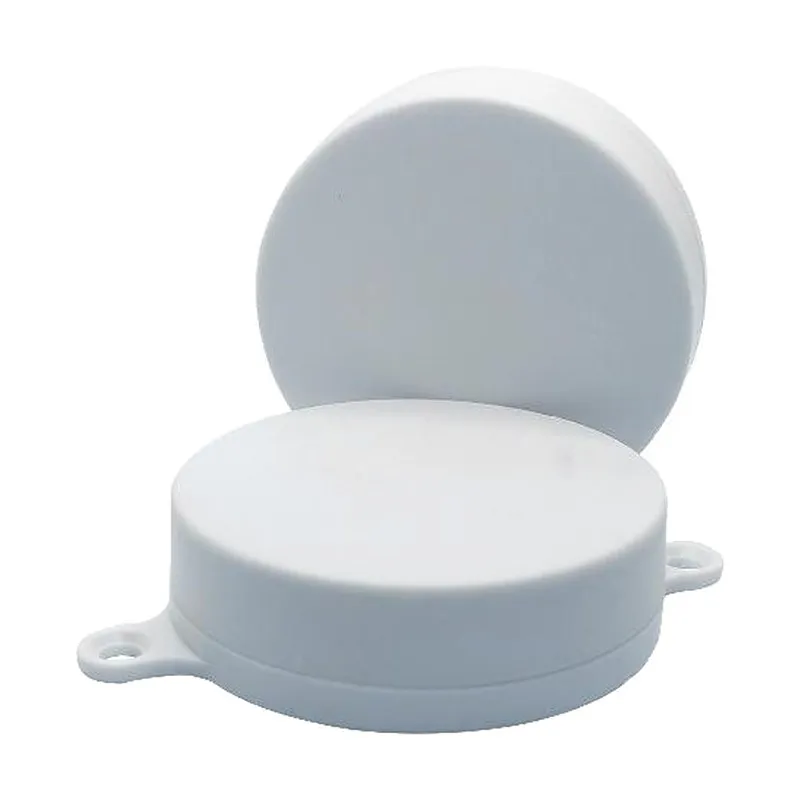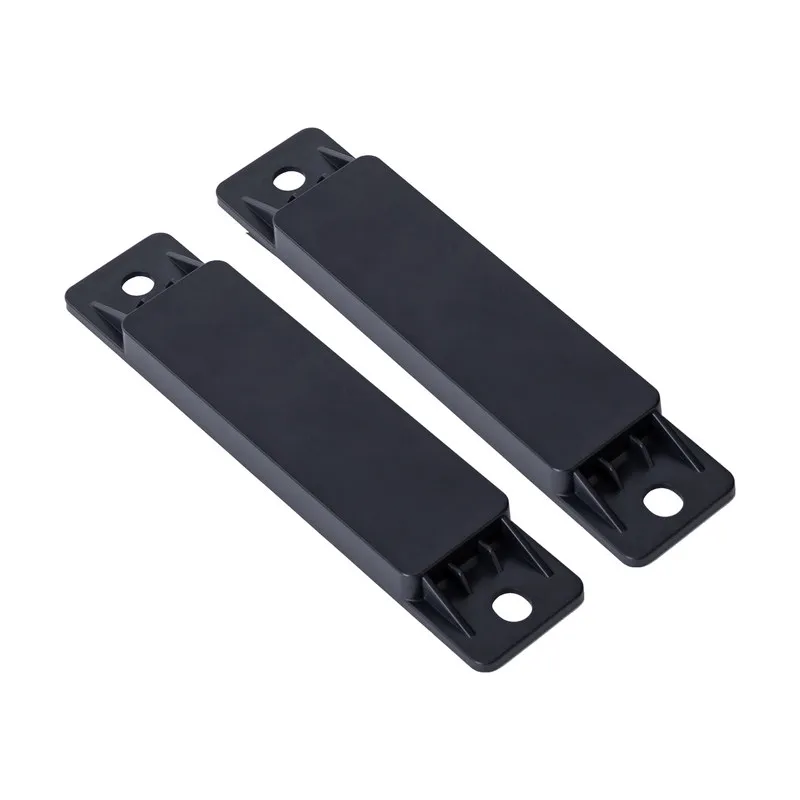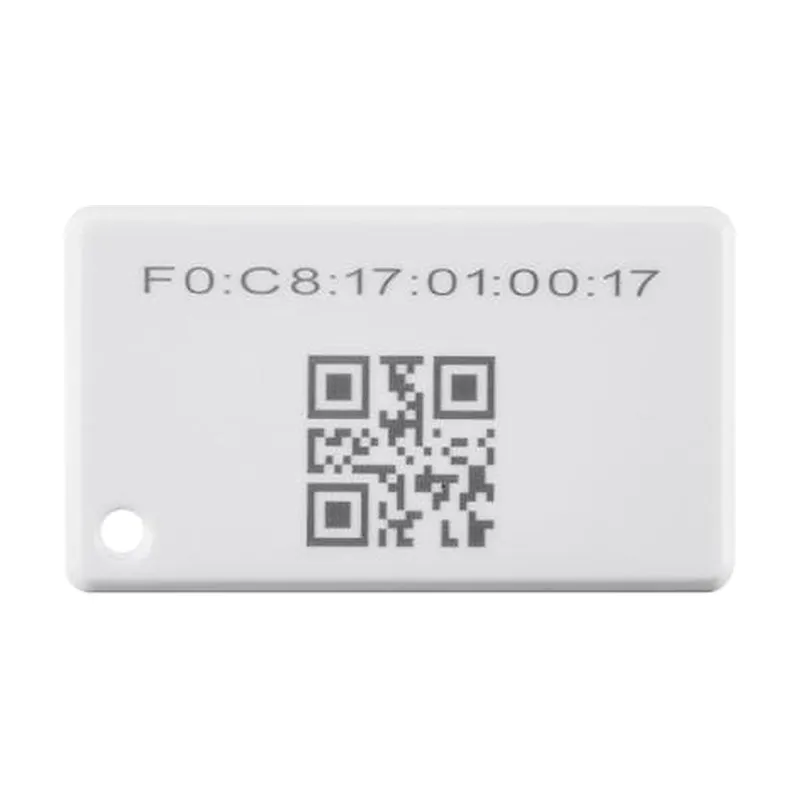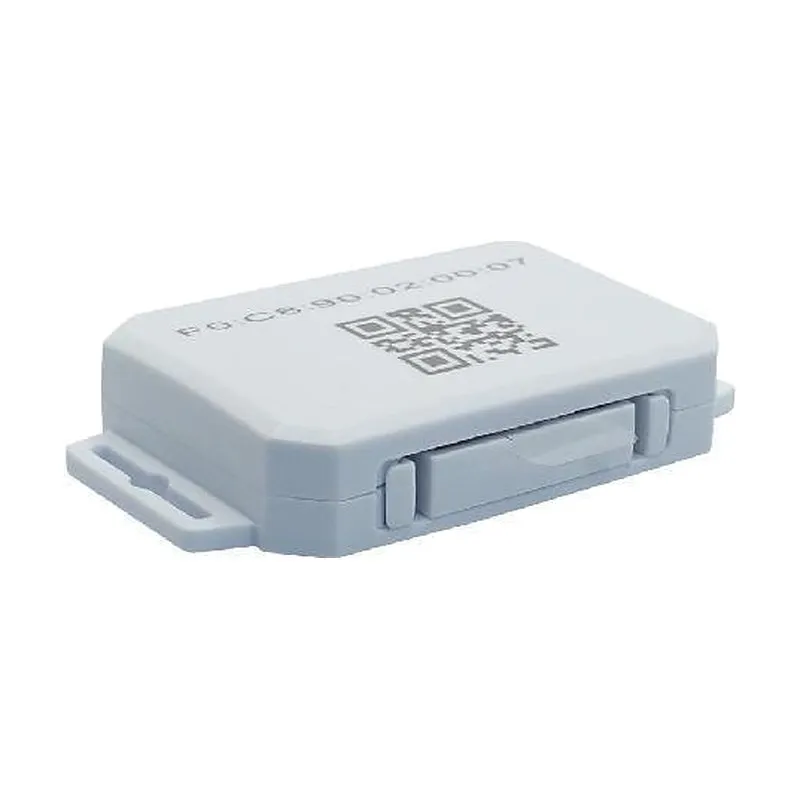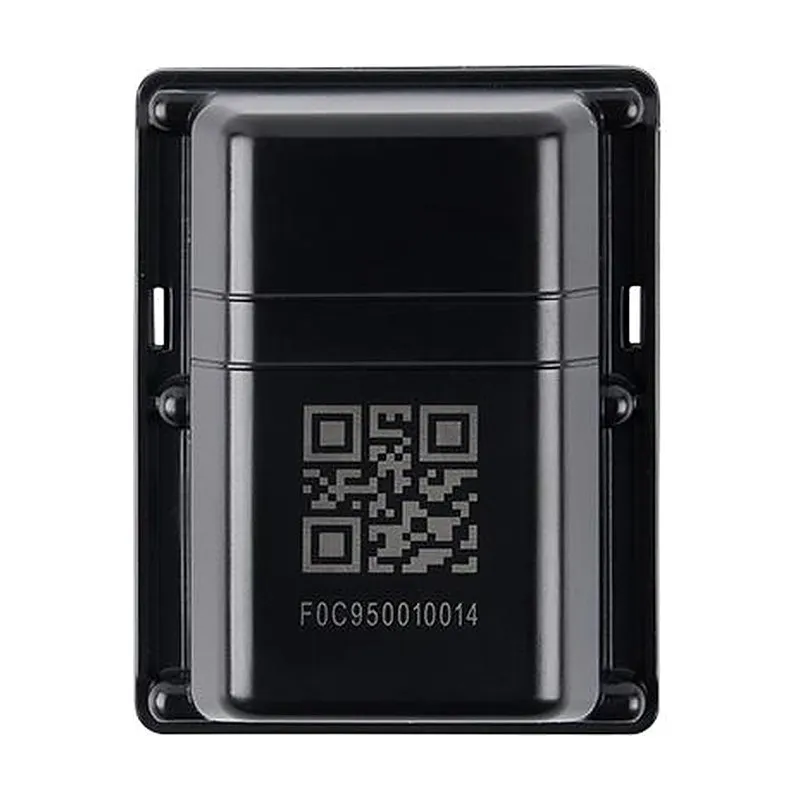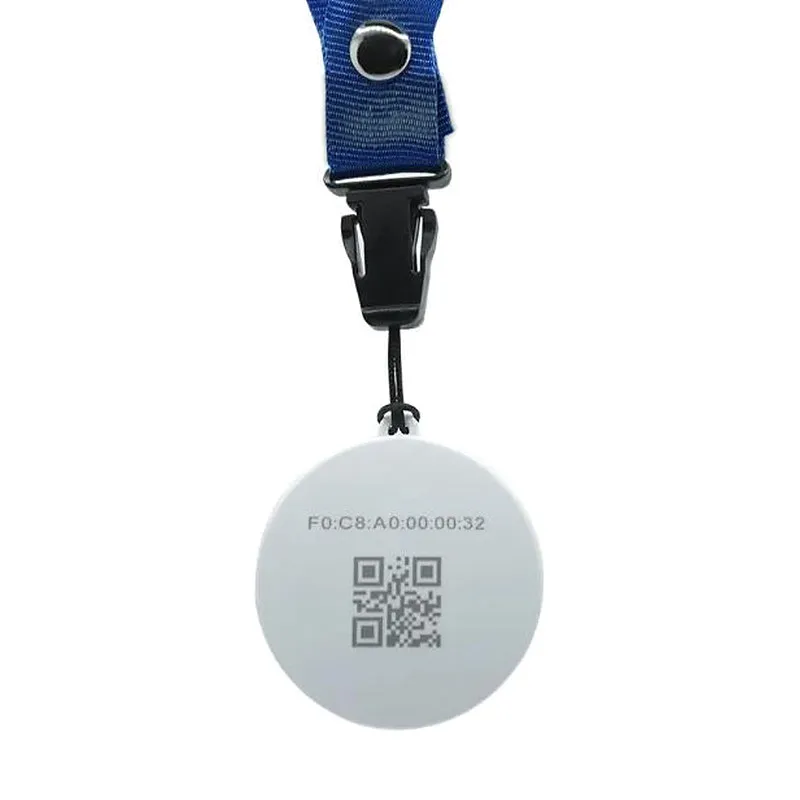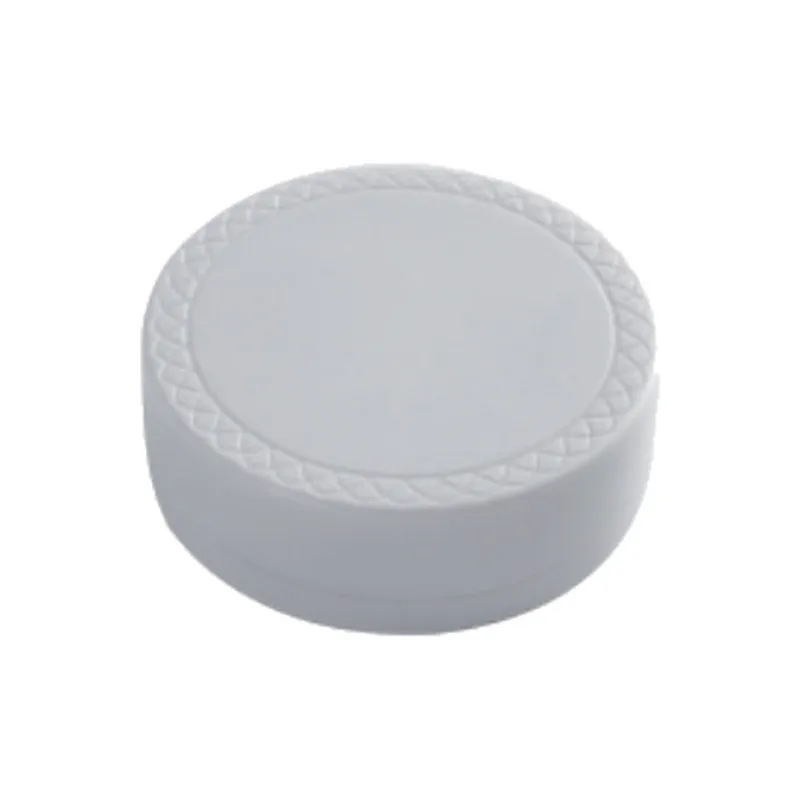
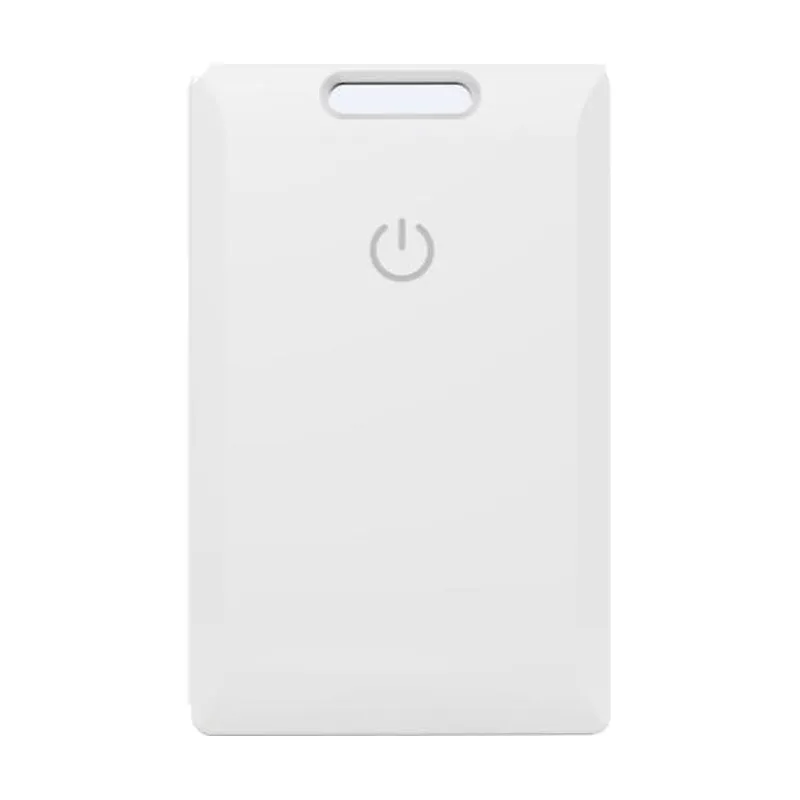
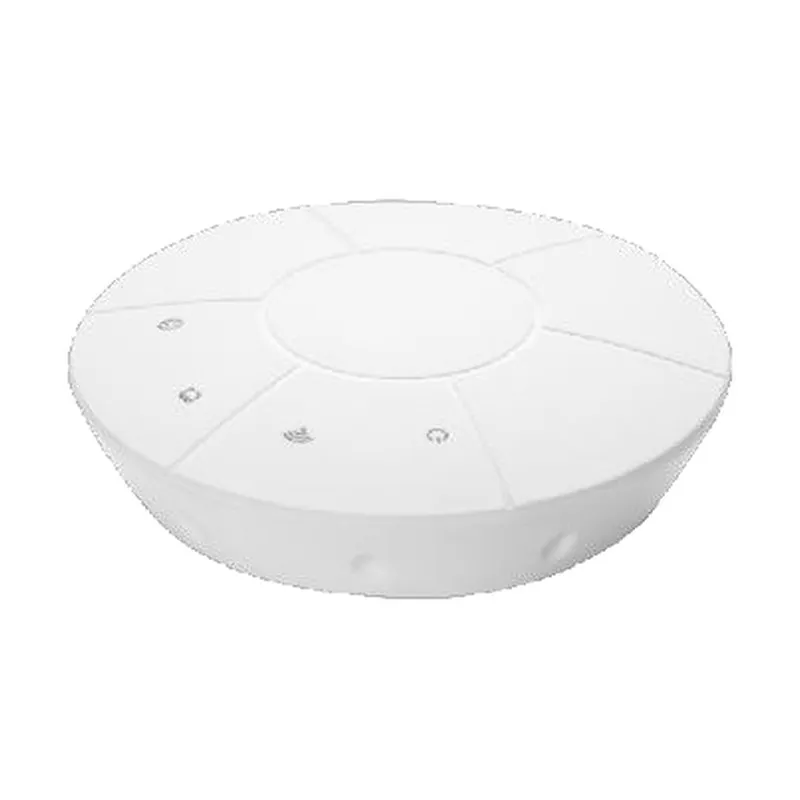
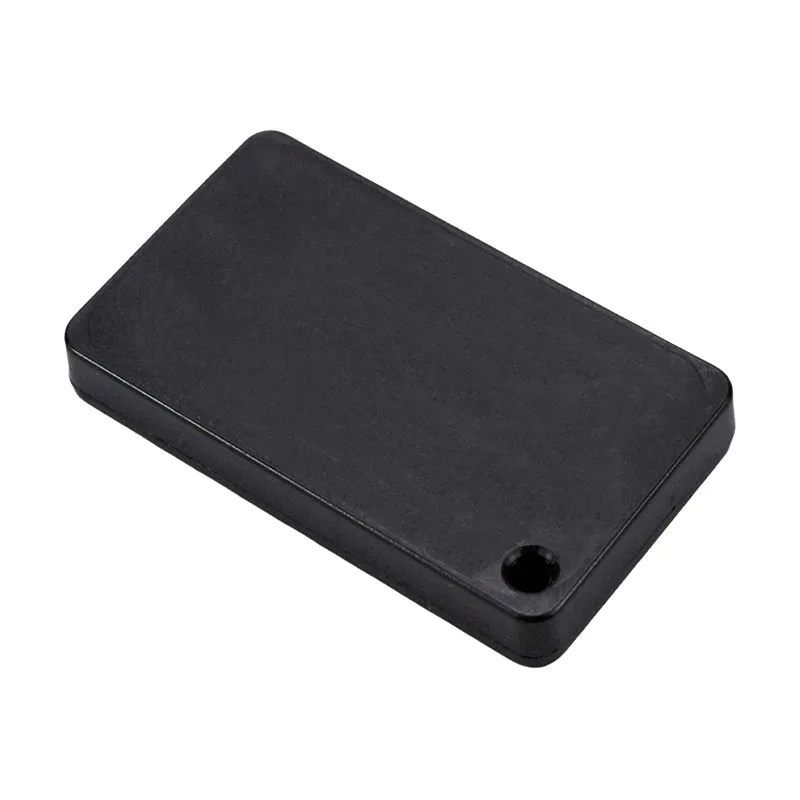
BLE Asset Tag Beacon ID-BLE-T01 (CR2032, BLE 5.4)
₹1,250 + GST
Min. order 100 pcs
Identium Tech Solutions · RFID manufacturer, New Delhi · 1-year warranty · Blue Dart next-day delivery

Shop by category
Bluetooth Low Energy beacons, asset tags, work cards, gateways and AOA anchors for tracking assets and people across buildings and sites, from zone-level RSSI presence to sub-metre Angle-of-Arrival positioning.
Buying guide ↓19 products · from ₹1,250 + GST
₹1,250 + GST
Min. order 100 pcs
₹1,250 + GST
Min. order 100 pcs
₹1,250 + GST
Min. order 100 pcs
₹1,250 + GST
Min. order 100 pcs
₹1,250 + GST
Min. order 100 pcs
₹1,250 + GST
Min. order 100 pcs
₹1,250 + GST
Min. order 100 pcs
₹1,250 + GST
Min. order 100 pcs
₹1,250 + GST
Min. order 100 pcs
₹1,250 + GST
Min. order 100 pcs
₹1,250 + GST
Min. order 100 pcs
₹1,250 + GST
Min. order 100 pcs
₹1,250 + GST
Min. order 100 pcs
₹1,250 + GST
Min. order 100 pcs
₹1,250 + GST
Min. order 100 pcs
₹1,250 + GST
Min. order 100 pcs
₹1,250 + GST
Min. order 100 pcs
₹28,000 + GST
Per piece
₹55,000 + GST
Per piece
No products match that filter. Ask us for a custom option.
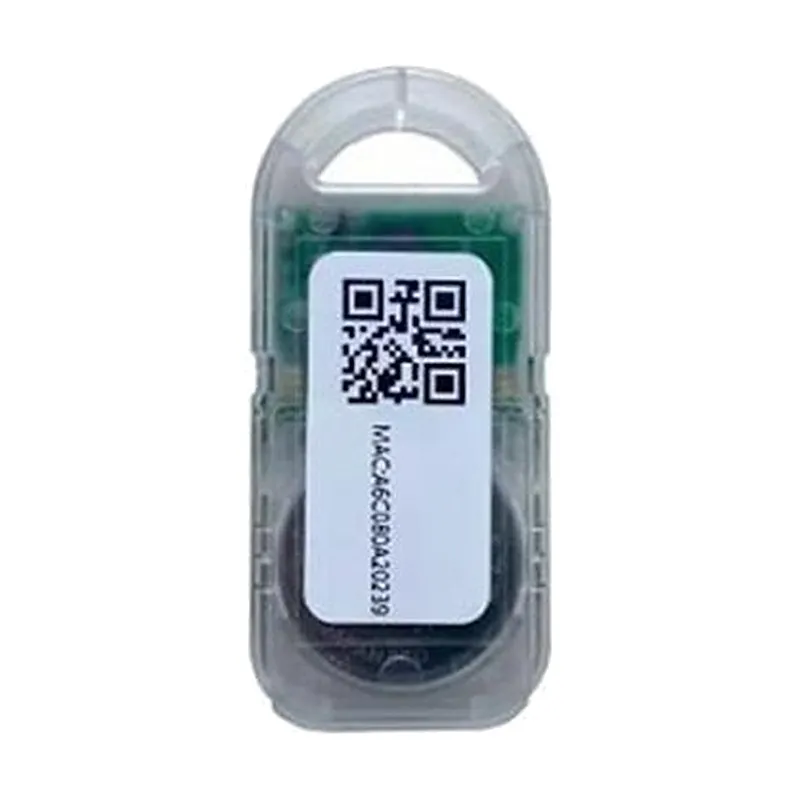
A BLE beacon is a small battery-powered tag that broadcasts its ID over Bluetooth Low Energy at a set interval. Receivers that hear the broadcast report which tag is nearby and how strong its signal is, so a platform can show where assets and people are. Every beacon in this range supports iBeacon and Eddystone, is configured from the Identium Connect app (Android) and works in the licence-exempt 2.4 GHz band (2400–2483.5 MHz).
Phones can detect beacons directly, but continuous tracking needs fixed receivers: ID-BGW-02 gateways for signal-strength (RSSI) zoning and positioning, or ID-AOA-GW25 anchors for Bluetooth Angle-of-Arrival (AOA) positioning.
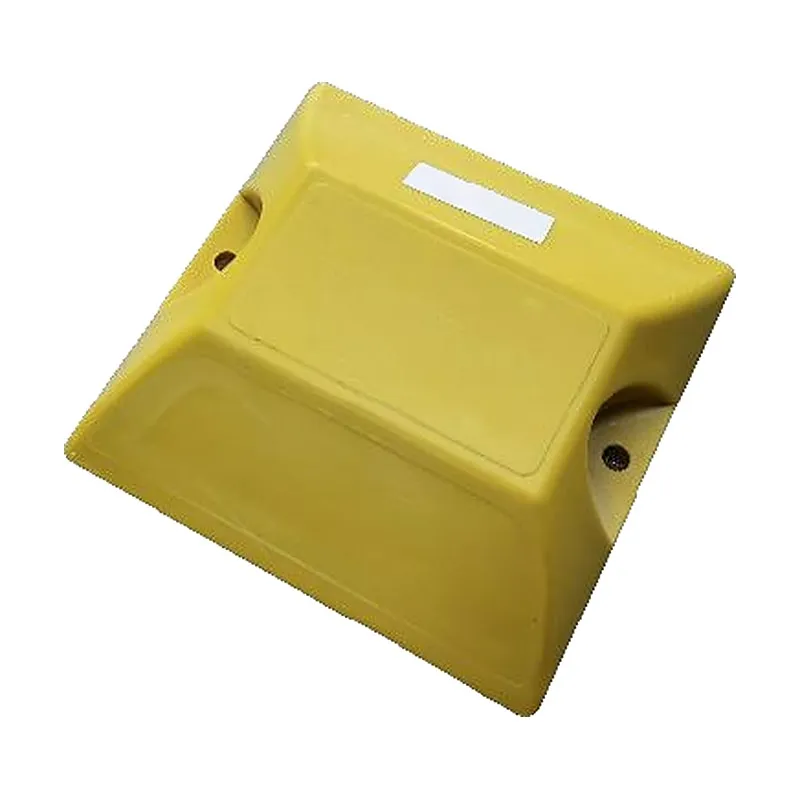
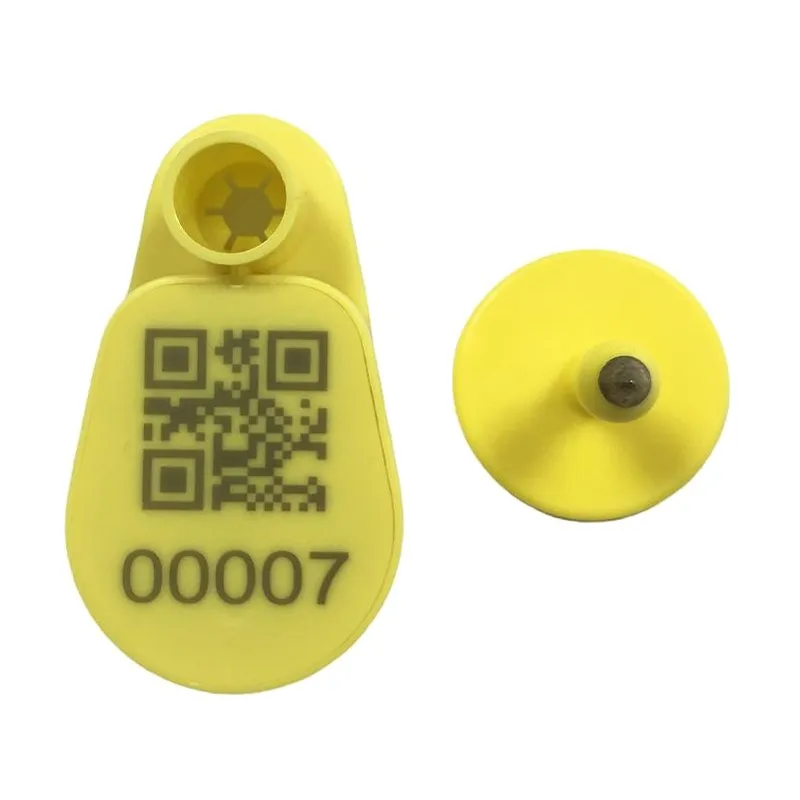
Stick-on and screw-mount tags, IP68 industrial beacons, a pallet beacon, a buzzer finder, a road stud and a livestock temperature ear tag. Browse BLE beacons and asset tags.
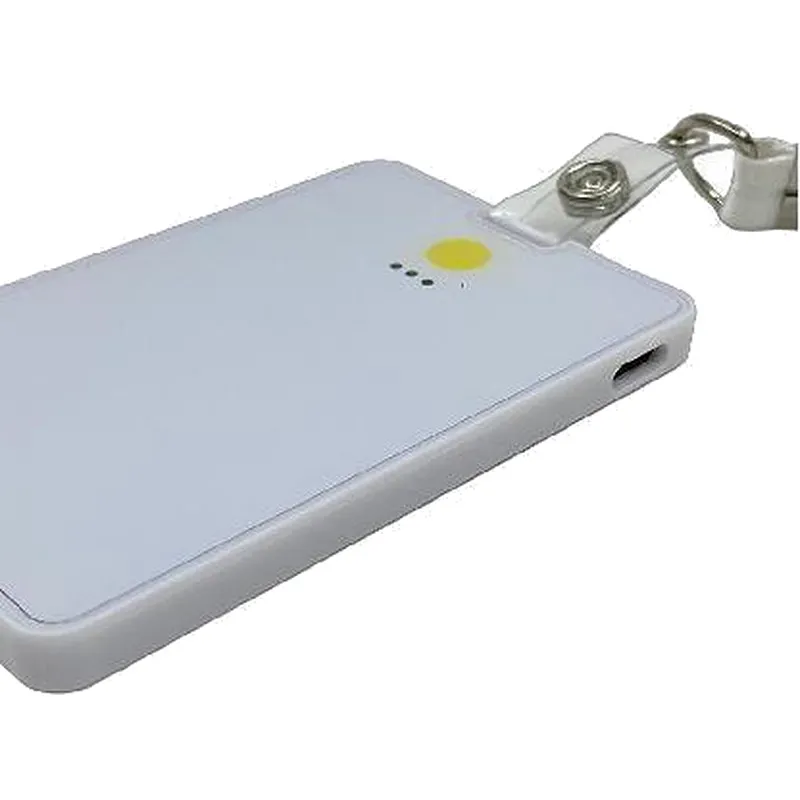
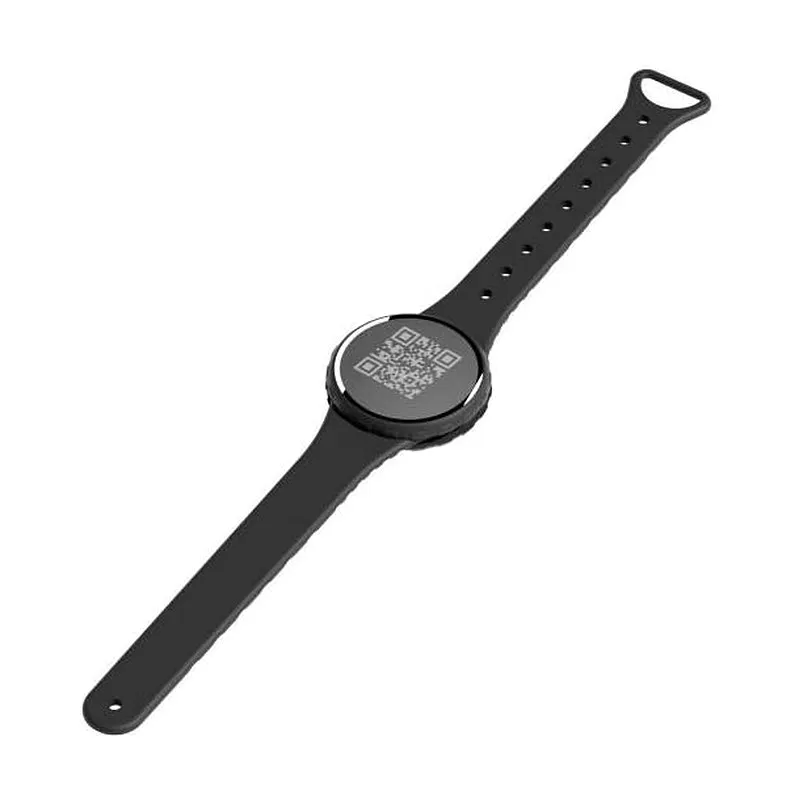
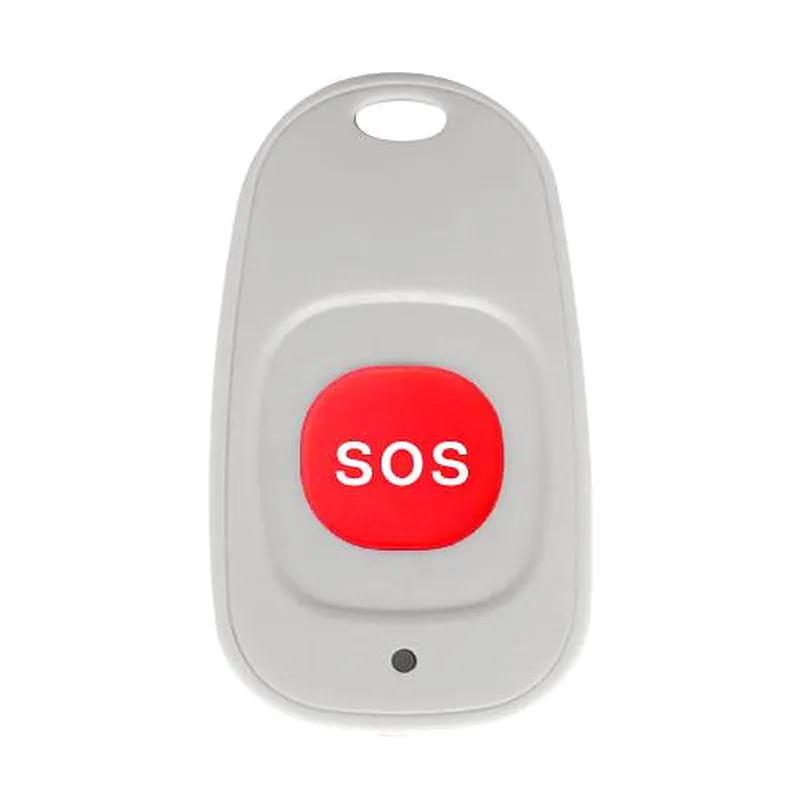
Rechargeable lanyard tags, card badges, a wristband and an SOS button fob for locating staff and visitors. Browse BLE wearables and work cards.
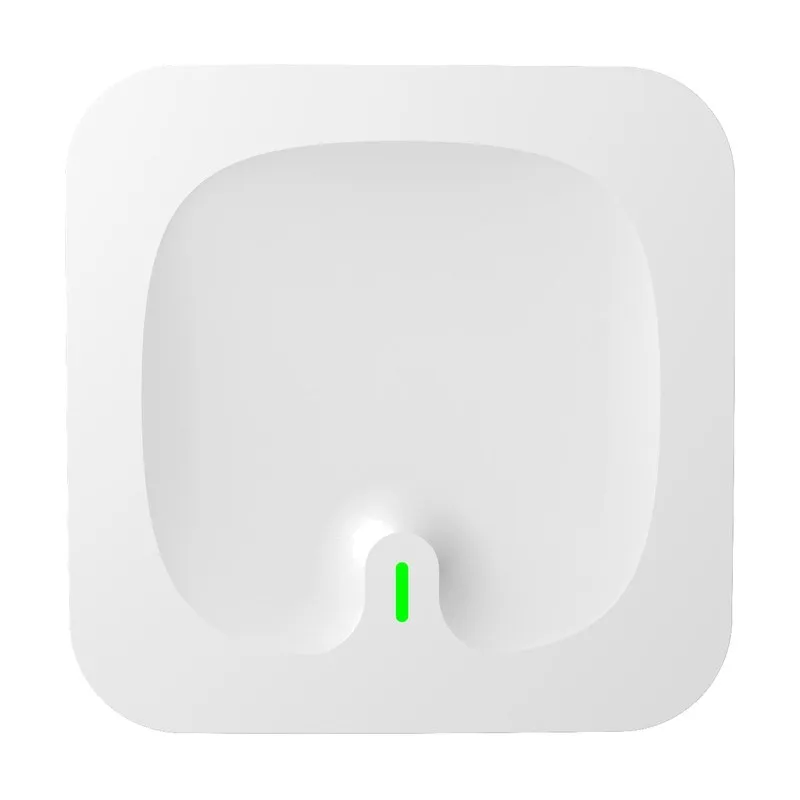
The ID-BGW-02 gateway for RSSI zones over Ethernet, Wi-Fi or 4G, and the ID-AOA-GW25 anchor for sub-metre positioning. Browse BLE gateways and AOA anchors.
RSSI positioning estimates distance from received signal strength, calibrated for each site; AOA anchors measure the angle a tag's signal arrives from. Both use the same class of low-cost, long-battery tag; the difference is the receivers. RSSI runs on gateways and is typically accurate to about 10 m; AOA needs dedicated anchors and reaches under 1 m.
| Parameter | Bluetooth AOA | Bluetooth RSSI | Wi-Fi RSSI | UWB |
|---|---|---|---|---|
| Accuracy | Under 1 m | About 10 m | About 10 m | About 10 cm |
| Typical cost (relative) | 1× | 1× | 2–4× | 5–10× |
| Power consumption (relative) | 1× | 1× | 10–25× | 10–25× |
| Infrastructure | Dedicated anchors | Can reuse Bluetooth mesh nodes | Can reuse access points | Dedicated anchors |
| Trade-offs | New anchor infrastructure | Limited accuracy | Poor tag battery, limited accuracy | High tag + anchor cost, high current |
BLE uses standard formats that phones can read, offers an upgrade path to sub-metre AOA, and reaches beyond the building with outdoor metal gateways and the R09 road stud. 2.4 GHz active RFID is a proprietary system whose tags work with matched readers; read ranges are quoted up to 400 m in open air on the AT507 tag and F529 reader.
For items counted at dock doors, gates or with handhelds, passive UHF RFID tags (865–868 MHz in India) need no battery and cost far less per tag; our UHF vs active RFID comparison covers the trade-offs.