RFID UHF Metal Tag - Encore
₹45 + GST
Min. order 500 pcs

Shop by category
Logistics & industry
A job moves from stores to machines, inspection and packing, often riding on a steel fixture or in a bin. Put a UHF tag on the job, fixture or bin, place readers at the stations that matter, and each arrival and departure is logged with a time while operators carry on working.
Choosing the tag is the hard part in a factory, since ovens, steel fixtures and knocks on the line each rule some tags out. This page sets out the on-metal, high-temperature and label options in our catalogue, the readers for each station, and the IdentiumOne software that turns station reads into WIP status.
Choose tags by process
Use on-metal tags on jigs, castings and steel bins, ceramic or high-temperature tags where parts go through ovens or paint, and printable labels on cartons and plastic totes.
Pick the first read points
Put readers first where work tends to wait or get lost, for example material issue, the slowest machine, inspection and the finished-goods store.
Read as jobs pass
Fixed readers log each tag on arrival and departure, and a handheld covers stations that have no fixed reader yet.
See status and dwell time
The software builds each job's route and time at every station from those reads and shows which jobs are waiting, on hold or complete.
On-metal tags for jigs and steel bins
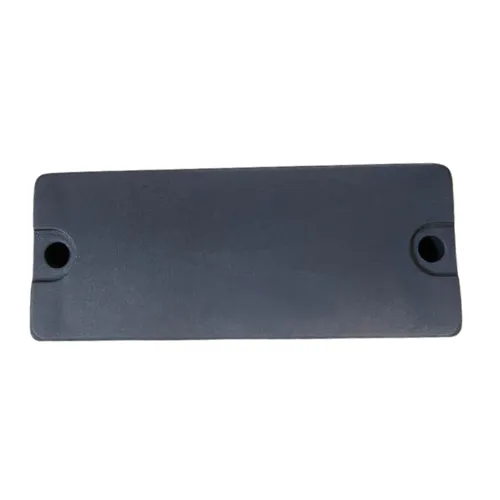
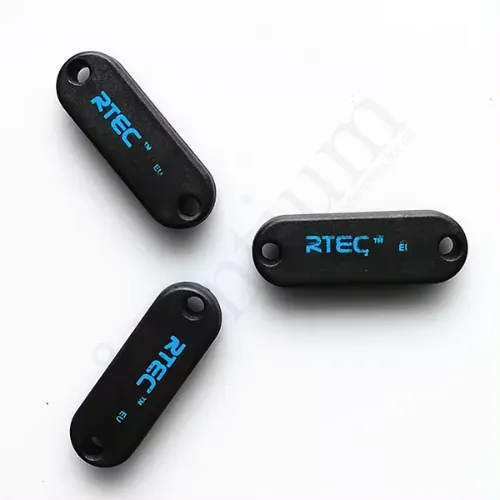
The Encore is a rugged 65 × 26 × 12 mm on-metal tag fixed with screws, rivets or adhesive to fixtures, tools and metal bins. The ID-UM6025 is a printable 60 × 25 mm on-metal label on the Impinj Monza R6 for smaller metal parts.
High-temperature tags
The Steelcode ceramic tag is rated from −30 °C to +300 °C for parts and fixtures that pass through ovens or curing. The IDTS-UMHT on-metal tag is rated from −25 °C to +200 °C and reads at up to 15 m on a fixed reader.
Labels for cartons and plastic totes
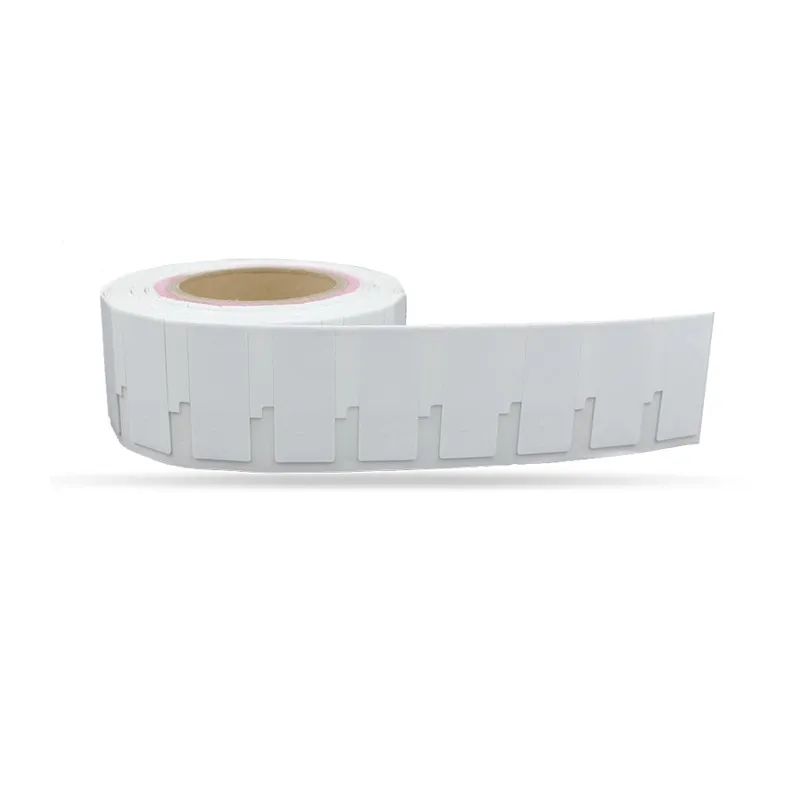
For cardboard, plastic totes and job cards, a printable label such as the ID-1470 H10 is enough. Its specification lists −25 °C to +85 °C, so keep it away from hot processes.
All UHF RFID Inlays & LabelsStation readers and antennas
An IHZ4 4-port reader can serve up to four antenna positions, for example the in and out sides of two neighbouring stations, using RUCA9 9 dBi antennas.
Single read point
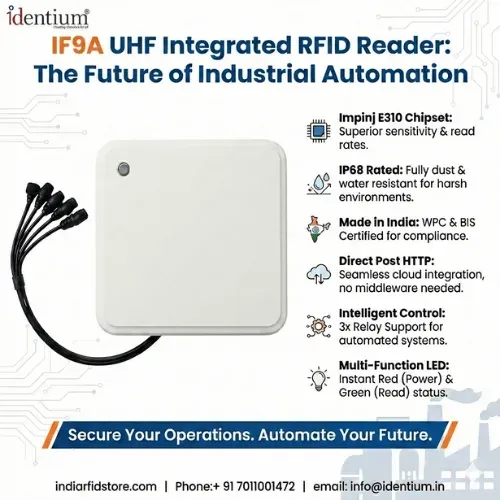
The IF9A has its antenna built in, which makes it a neat choice for one station, a gate between bays or an inspection bench.
Handheld reader
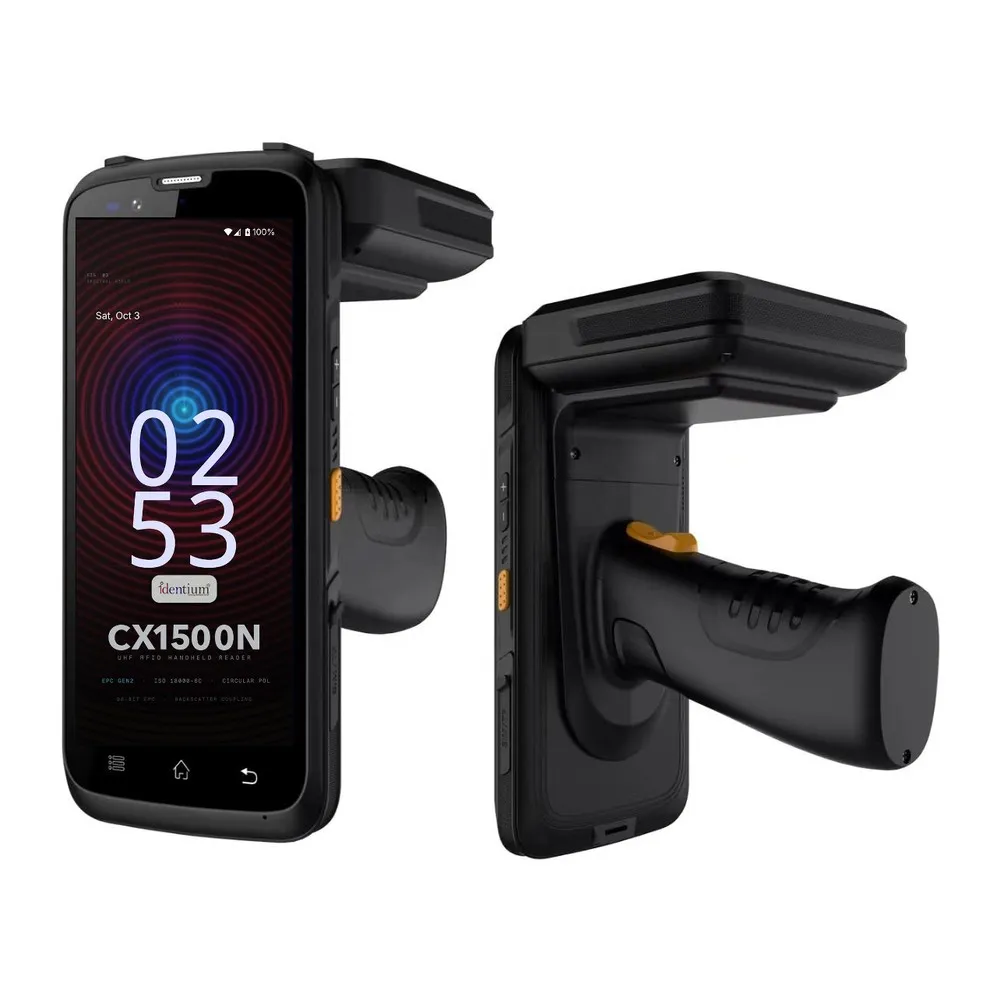
The CX1500N handheld covers stations without fixed readers, end-of-shift WIP counts and searching for a job that has gone astray.
Station reads are raw events until something puts them in order. The IdentiumOne WIP platform strings each job's reads into its route, works out time spent at every station, shows queues and quality holds on a live view of the line, and compares the WIP it has counted with what your ERP or MES thinks is on the floor. Stray and repeated reads are cleaned up at the edge by ReaderSense first, so only tidy movements reach your system of record. Visit IdentiumOne for the details and a demo.
RFID WIP tracking software for manufacturing on IdentiumOne₹45 + GST
Min. order 500 pcs
ID-UM6025
₹65 + GST
Min. order 500 pcs
₹300 + GST
Min. order 500 pcs
Choose by temperature. The Steelcode ceramic tag is rated to +300 °C and the IDTS-UMHT to +200 °C, while standard paper or PET labels are meant for normal room conditions. Tell the team your peak temperature and how long parts stay there before you order.
No. A standard label detunes on metal and reads poorly or not at all. Use an on-metal design instead, for example the Encore, or the printable ID-UM6025 on-metal label.
For one read point, the IF9A integrated reader has its antenna built in. Where a station needs separate in and out zones, or two stations sit close together, one IHZ4 with up to four antennas covers both.
Tags, readers and antennas are ordered from the store. The WIP software, its ERP or MES integration and pilot planning are handled through IdentiumOne.
Product finder & instant answers
_1rNsTG.webp)