RFID Fuel Automation: Vehicle Tags at Petrol Pumps, India
Published 25 Oct 20267 min read
Written and maintained by the RFID team at Identium Tech Solutions Pvt Ltd, New Delhi (India RFID Store).
Prices checked on 25 Oct 2026 against the catalogue.
Short answer: RFID fuelling means the dispenser identifies the vehicle, not just the driver's card: a UHF tag fixed inside the windshield or near the filler neck is read at the fuelling island, the fleet account is checked, and the pump is released for that vehicle only. Oil-company fleet programmes in India list RFID among the ways fleet customers can pay at their petrol pumps, and a private depot can run the same loop with a windshield label (₹6–₹25 + GST), an on-metal tag at the filler (₹89 + GST) and an integrated reader at the island (₹16,000 + GST).
If you have seen a small sticker on a truck's windscreen being read at a petrol pump, you have seen RFID fuelling. Fleet owners use it so that fuel is billed to the right vehicle without cash or slips, and so that a card cannot be used to fill a different truck. Mines, plants and transport companies that run their own diesel depots use the same idea to tie every fill to a vehicle. This guide explains how it works at a public pump, how it differs from a fuel card and from FASTag, and how to set it up at your own depot.
How does RFID fuelling work at a petrol pump?
Oil-company fleet programmes describe it in their own words. One programme's fleet card page lists chip card, mobile and RFID as transaction modes at its petrol pumps, with two-factor authentication. The same programme's RFID page describes automatic vehicle identification by RFID, with the dispenser waiting for online authorisation before it starts, so the fleet owner knows how much fuel went into the vehicle's tank. Another oil company offers an NFC-based fuelling option at select pumps, where the customer can pre-set the fill from an app; NFC is a short-range relative of RFID.
In outline, the sequence is:
- Enrolment: each vehicle in the fleet account gets a tag, linked to its registration number and fuel limits.
- Arrival: a reader at the island reads the tag as the vehicle pulls up.
- Check: the system confirms the account, the vehicle and any limits, and may ask for a second factor such as the driver's card or PIN.
- Release: the dispenser is authorised for that vehicle.
- Record: the quantity, time and place are logged against the vehicle and billed to the account.
The tags in those programmes are issued by the programmes themselves; the tags in this guide are for your own depot and do not work at a public pump.
Vehicle tag, driver card or FASTag: what is the difference?
| Vehicle fuel tag | Driver fuel card | FASTag | |
|---|---|---|---|
| What it identifies | The vehicle | The cardholder or account | The vehicle, for toll payment |
| How it is read | UHF reader at the fuelling island, without contact | Inserted, tapped or swiped at the terminal | UHF reader at a toll lane |
| Can it fuel another vehicle? | Not if it is a tamper-evident windshield label | Yes, unless checked against the vehicle | Not a fuel credential |
| Who issues it | The fleet programme, or you at a private depot | The fleet programme or card issuer | A FASTag issuer bank, linked to a payment account |
A fuel programme's tag is a separate tag, not a FASTag, even though both are passive UHF tags on the windscreen. Our vehicle RFID tag guide explains how FASTag and gate tags relate.
How do you set up RFID fuel dispensing at a private depot?
A private depot needs four parts: a tag on every vehicle, a reader at the island, a controller with the vehicle list, and an interlock to the dispenser.
| Part | Product | From the product page | Price |
|---|---|---|---|
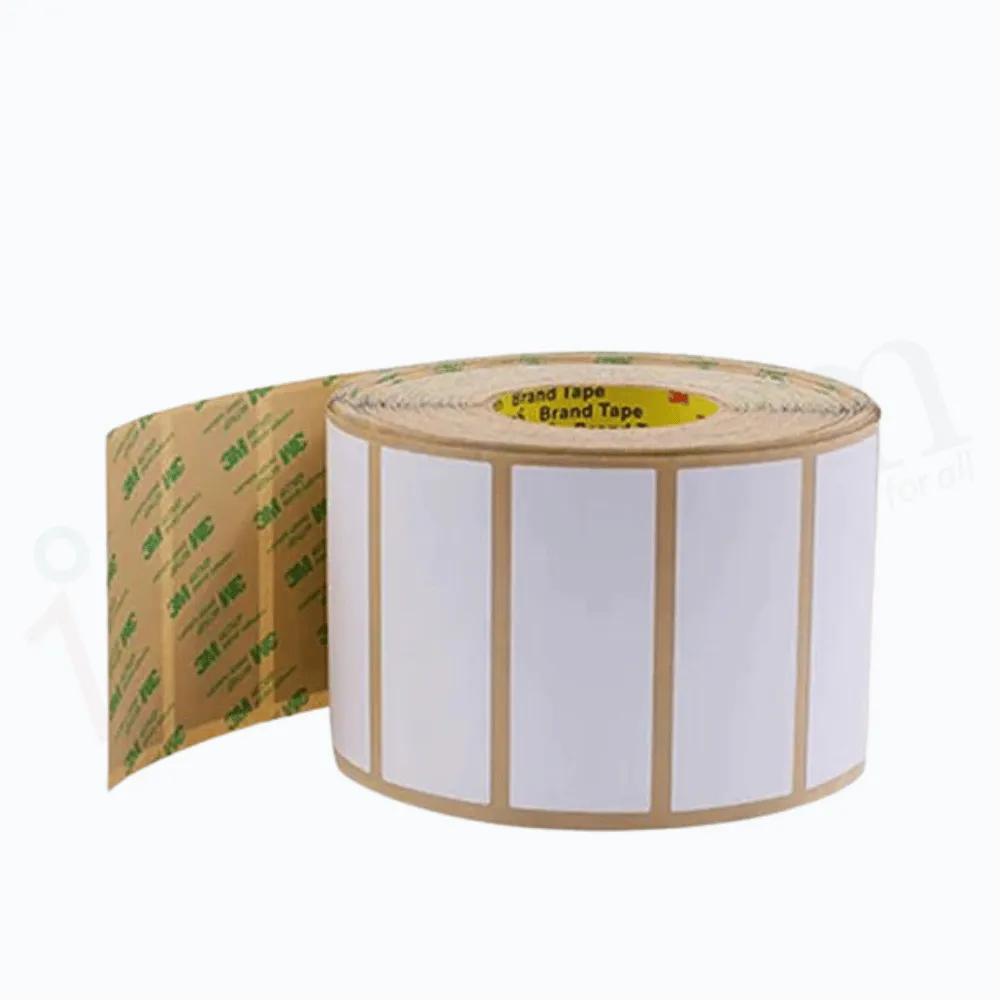
| Windshield tag | UHF tamper-proof windshield label | Fixed inside the windshield; cannot be removed and refitted intact; printed serial number and barcode; over 8–10 m when fixed inside the windshield | ₹25 + GST |
| Windshield tag (economy) | ID-1993-H9 windshield label | Inside of the windscreen; up to 6 m depending on the reader, the glass and the surroundings | ₹6 + GST |
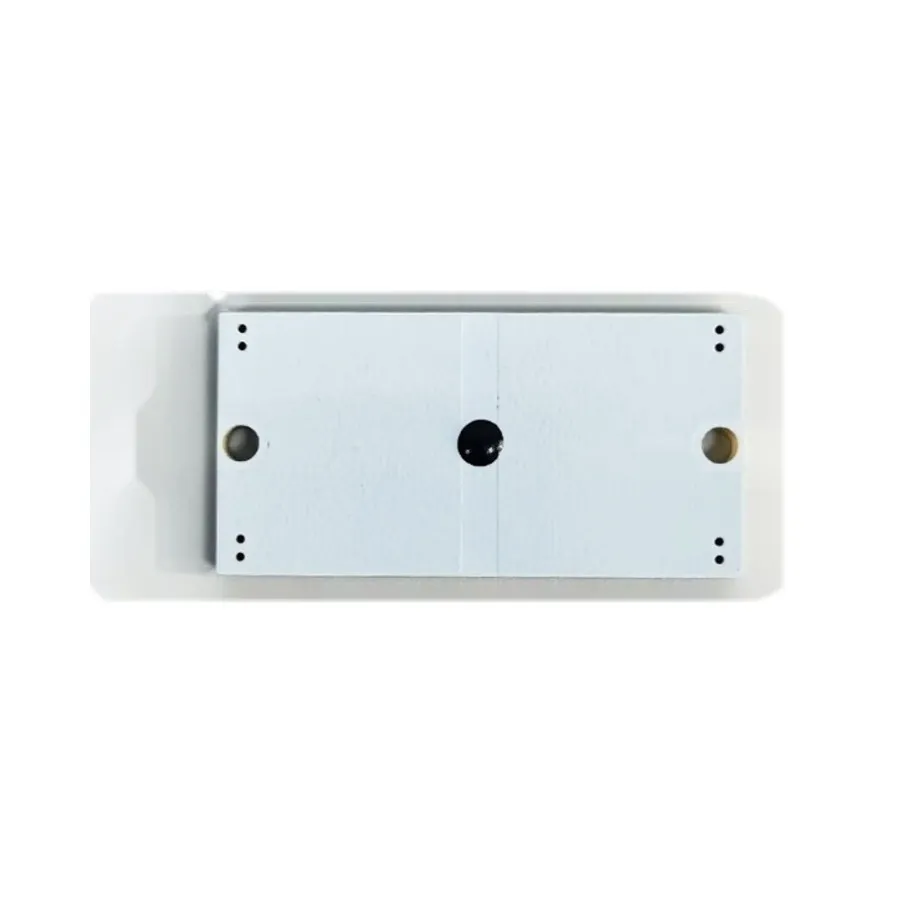
| Filler-neck or tank tag | IDTS-6030 on-metal PCB tag | 60 × 30 × 4 mm; two 4 mm holes 54 mm apart plus a centre hole; approx. 6 m on metal; −20 °C to +150 °C | ₹89 + GST |
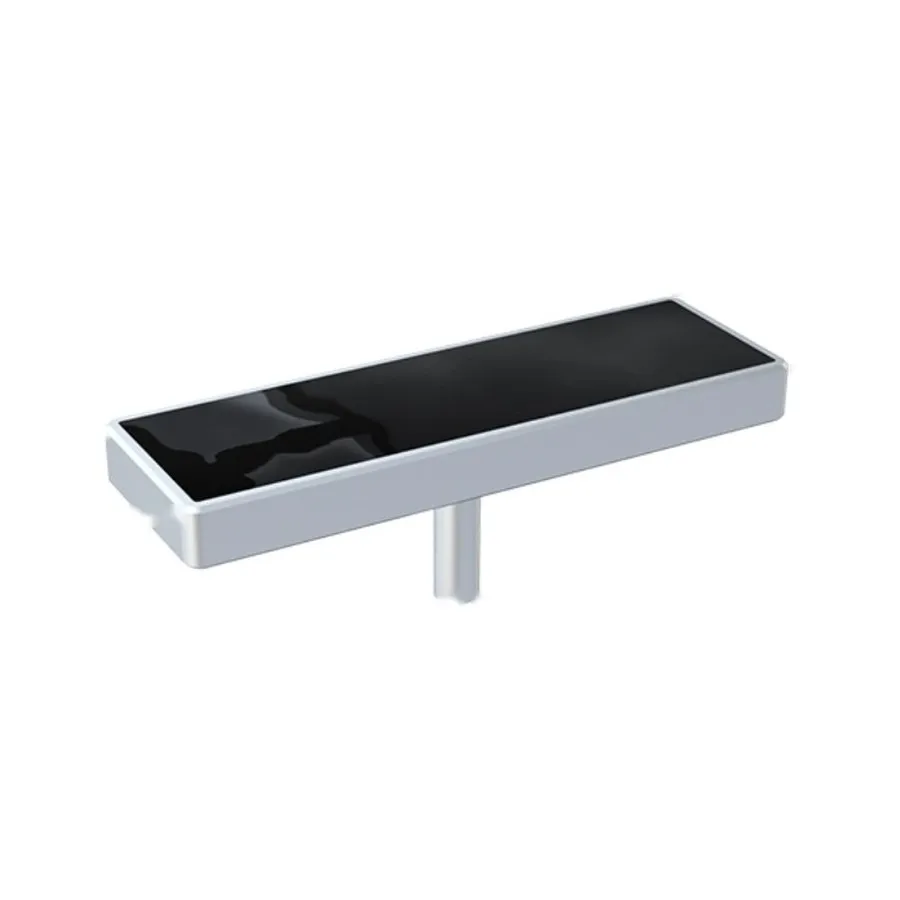
| Tanker or heavy-vehicle tag | IDTS-7024 stud-mount tag | 70 × 24 × 7 mm body, M3 threaded stud; approx. 4 m; −40 °C to +200 °C; not specified as anti-metal, so test it on the vehicle | ₹89 + GST |
| Island reader | IF9C integrated UHF reader | Built-in 9 dBi antenna; up to 12 m depending on tag, mounting and environment; Ethernet, RS232, RS485, Wiegand 26/34; one relay (COM/NO/NC); DC 9–24 V; pole clamp or L bracket | ₹16,000 + GST |
| Driver card reader (second factor) | UHF card reader ID-UCR-RD901M | 0–1 m; Wiegand 26/34 or RS485; wall or door-frame mount | ₹6,500 + GST |
Tags are sold with a minimum order of 500 pcs, and readers from 1 unit.
The interlock. The reader passes the tag number to the depot's fuel-management controller over Wiegand, RS485 or Ethernet. The controller checks the vehicle against its list and limits and then releases the dispenser through the dispenser's own control interface or a relay input that the dispenser maker provides. The IF9C's relay can carry that release signal where the dispenser maker approves it, but the decision belongs in the controller, which also records the quantity dispensed. Nozzle readers, dispenser controllers and pump electronics are the dispenser maker's parts; we do not supply them. Our guide to RFID reader interfaces explains Wiegand, RS485 and the other options.
Siting the reader. Fuel dispensing areas have their own rules for electrical equipment, and none of the readers in this guide is listed as rated for hazardous areas. Mount the reader where your licensed installer and the dispenser maker approve, and set its power so it reads the vehicle at the island and not the one in the next lane.
Where should the tag go so it survives diesel, heat and washing?
- Windshield: inside the glass, as the product pages specify, away from the wipers' sweep and any metallised sun film, which can block UHF signals. A tamper-evident label breaks if someone peels it off to move it to another vehicle.
- Filler neck: where the windshield is far from the island, or where you want to confirm the tank rather than the cab, screw an on-metal tag beside the filler, outside the area where fuel splashes and drips.
- Tankers and heavy vehicles: a stud-mount tag on a bracket keeps the tag clear of the body's metal and away from pressure-washing jets; test the read before fixing a batch.
None of these tag pages states an IP rating, so fix a sample to one vehicle and run it through a few washes and refuelling days before tagging the fleet.
What about bowsers and mining machines?
Mines and large sites often take fuel to the machine with a bowser instead of bringing machines to a pump. The tag then goes on the machine's tank neck and the reader on the bowser's nozzle or fuelling terminal. Our diesel bowser and HEMM fuel automation guide covers that set-up, the tags that survive on a dumper, and what the recent coal-sector tenders ask for.
How do you check the tags in the yard?
A phone with the UCR10 UHF portable reader (₹12,000 + GST) plugged into its USB Type-C port reads tags up to 1.5 m away, which is enough to walk the yard and confirm that every vehicle's tag reads and matches the register. Do it after tagging, and again whenever a windscreen is replaced.
What should a depot fuel-automation specification include?
- Tag type per vehicle class (windshield, filler neck, stud-mount) and how tags are replaced when a windscreen is changed.
- UHF readers that work in India's 865–868 MHz band, with the interface your controller expects (Wiegand 26/34, RS485 or Ethernet) and a relay if needed.
- Whether a second factor (driver card or PIN) is needed, and how the two are matched.
- Who supplies the dispenser interface, and who approves the reader's position at the island.
- The records the controller keeps per transaction (vehicle, driver, quantity, time, dispenser) and how they reach your fleet or ERP software.
For the wider picture of vehicle identification at gates and yards, see the RFID vehicle and parking management system and the vehicle windshield tag range.
Sources
- Fleet card programme page of a public-sector oil company: transaction modes including chip card, mobile and RFID, accessed 25 October 2026
- The same programme's RFID fuelling page: automatic vehicle identification and online authorisation before fuel delivery, accessed 25 October 2026
- Loyalty programme page of another public-sector oil company: NFC-based fuelling at select pumps, accessed 25 October 2026
Cite as: India RFID Store (Identium Tech Solutions Pvt Ltd), “RFID Fuel Automation: Vehicle Tags at Petrol Pumps, India”, https://www.indiarfidstore.com/rfid-resources/rfid-fuel-automation-fleet-vehicle-tags-petrol-pump-india, published 25 Oct 2026.
Frequently asked questions
How does the RFID tag at a petrol pump work?
What is RFID fuelling?
Is the fuel-station RFID tag the same as FASTag?
Can I set up RFID fuel dispensing at my own depot?
Which RFID tag goes on a truck for fuelling?
Can the fuel tag be moved to another vehicle?
Fleet ManagementFuel AutomationVehicle TagsUHF RFIDLogistics
Keep reading
More guides

More in Industries & use cases
- RFID Surgical Instrument Tracking: CSSD and Autoclave Tags
- RFID for IT Asset Tracking in India: Laptops, Servers, Racks
- Logistics Data Bank Passes 10 Crore RFID-Tracked Containers: Gate Lessons for CFS, ICD and Factory Yards