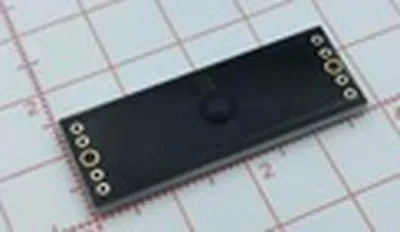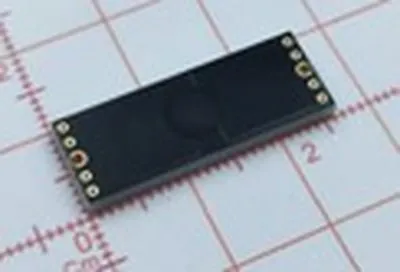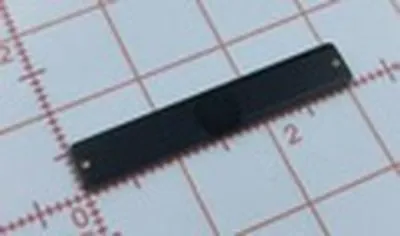
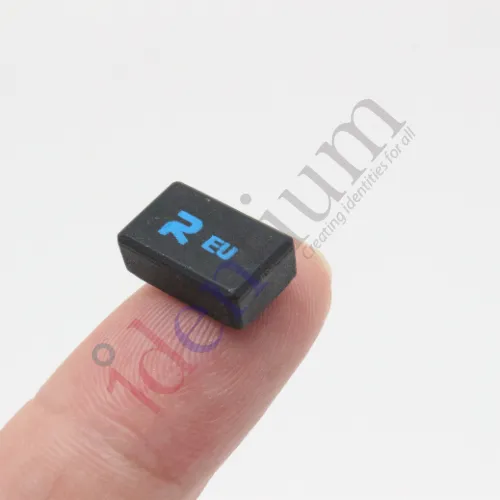
UHF On-Metal RFID PCB Tag P3613-25 (36 × 13 × 2.5 mm)
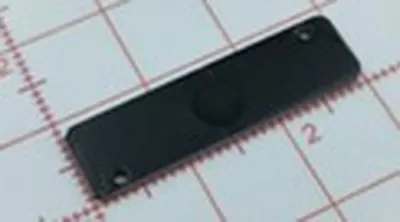
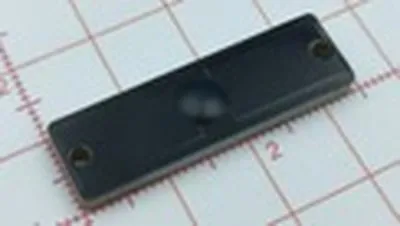
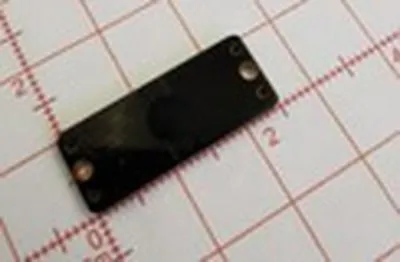
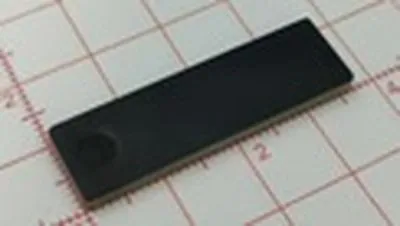
A thin 36 × 13 × 2.5 mm UHF PCB tag for metal-cased IT hardware, instruments and equipment nameplates, with an M4QT chip, a listed read range of up to 300 cm and a 1.5 mm aperture.
- Model:
- IDTS-P3613-25
- Brand:
- Identium
- Frequency:
- 860–960 MHz (covers India's 865–868 MHz band)
- Protocol:
- EPC Class 1 Gen2 / ISO 18000-6C
- Chip:
- M4QT
- Read range:
- Up to 300 cm (depends on reader and mounting)
- Datasheet:
- PDF · 172 KB
- Listing updated:
₹132
per piece + 18% GST
Min. order 500 piecesThe final price for your quantity is confirmed in the quote
- 7-day replacement · 1-year warranty against manufacturing defects
- Blue Dart next-day delivery
- Samples ₹250 (1–2 pcs, incl. shipping) · request a sample of this tag
Sold by India RFID Store, the online catalogue of Identium Tech Solutions Pvt Ltd, an RFID manufacturer in New Delhi, India, in business since 2010.
Key features
- 36 × 13 mm face, only 2.5 mm thick
- Designed for direct mounting on metal
- M4QT chip, EPC Class 1 Gen2 / ISO 18000-6C
- Listed read range up to 300 cm
- 1.5 mm aperture for fine screws or rivets
- Covers India's 865–868 MHz UHF band
Overview
A low-profile on-metal RFID PCB tag for IT and instrument assets
At 2.5 mm thick, the P3613-25 sits closer to the surface than the 3 mm tags of similar length. Its 36 × 13 mm face fits beside a serial-number plate on a server chassis, a UPS, a network switch or a bench instrument without standing proud. The tag is designed to be mounted directly on metal, where paper RFID labels lose most of their performance.
Fixing a tag with a 1.5 mm aperture
The 1.5 mm aperture suits fine rivets or small screws. On equipment you cannot drill, such as leased IT hardware or calibrated instruments, industrial adhesive or high-bond tape is the usual alternative. Whichever method you use, keep the whole underside flat on clean metal; an air gap changes the tuning and shortens the read.
Reading and encoding
Up to 300 cm is listed, enough for an audit round with a handheld down a server aisle or along lab benches. Because it is a standard Gen2 (ISO 18000-6C) tag with an M4QT chip, asset numbers can be written in batches on a UHF desktop reader before installation. For audit planning, see the fixed-asset audit guide, or compare other sizes in RFID PCB and ceramic tags.
Where the IDTS-P3613-25 is used
- Server and network chassis
- Test and measuring instruments
- Calibrated gauges
- Equipment nameplates
- IT asset audits
- Lab equipment registers
Specifications
Datasheet (PDF)| Frequency | 860–960 MHz (covers India's 865–868 MHz band) |
|---|---|
| Protocol | EPC Class 1 Gen2 / ISO 18000-6C |
| Chip | M4QT |
| Read range | Up to 300 cm (depends on reader and mounting) |
| Dimensions | 36 × 13 × 2.5 mmSee this size at actual size → |
| Mounting | 1.5 mm aperture |
| Type | Rectangular on-metal PCB tag |
Frequently asked questions
Can the P3613-25 be stuck on instead of screwed?
What read range should I expect on a server or instrument case?
How is it different from the P3310-30?
Which readers can read it?
Related products
Cera-9
Ceramic UHF RFID Tag Cera-9 for Small Metal Parts (9 × 13.5 × 6 mm)
₹375 + GST
Min. order 500 pcs