Reusable UHF RFID Timing Band IDTS-RTB5038 (Wrist & Ankle, 860–960 MHz)
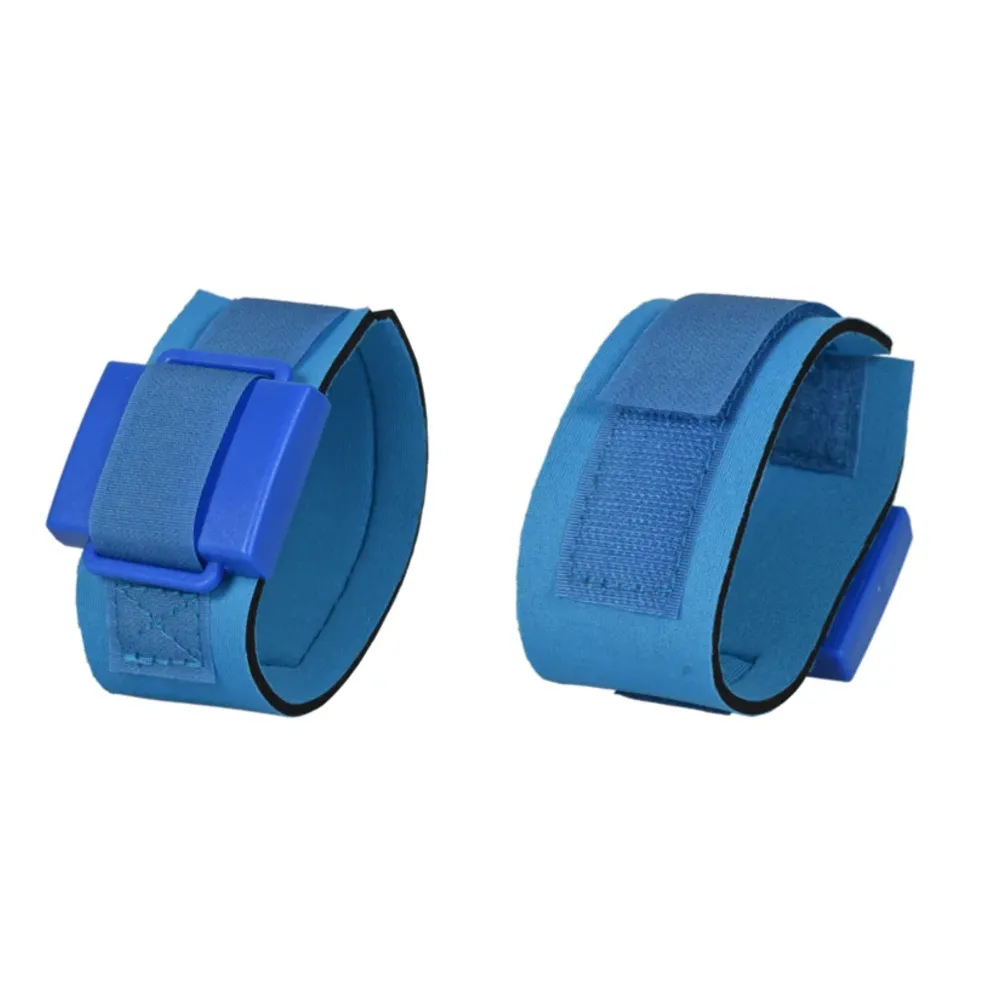
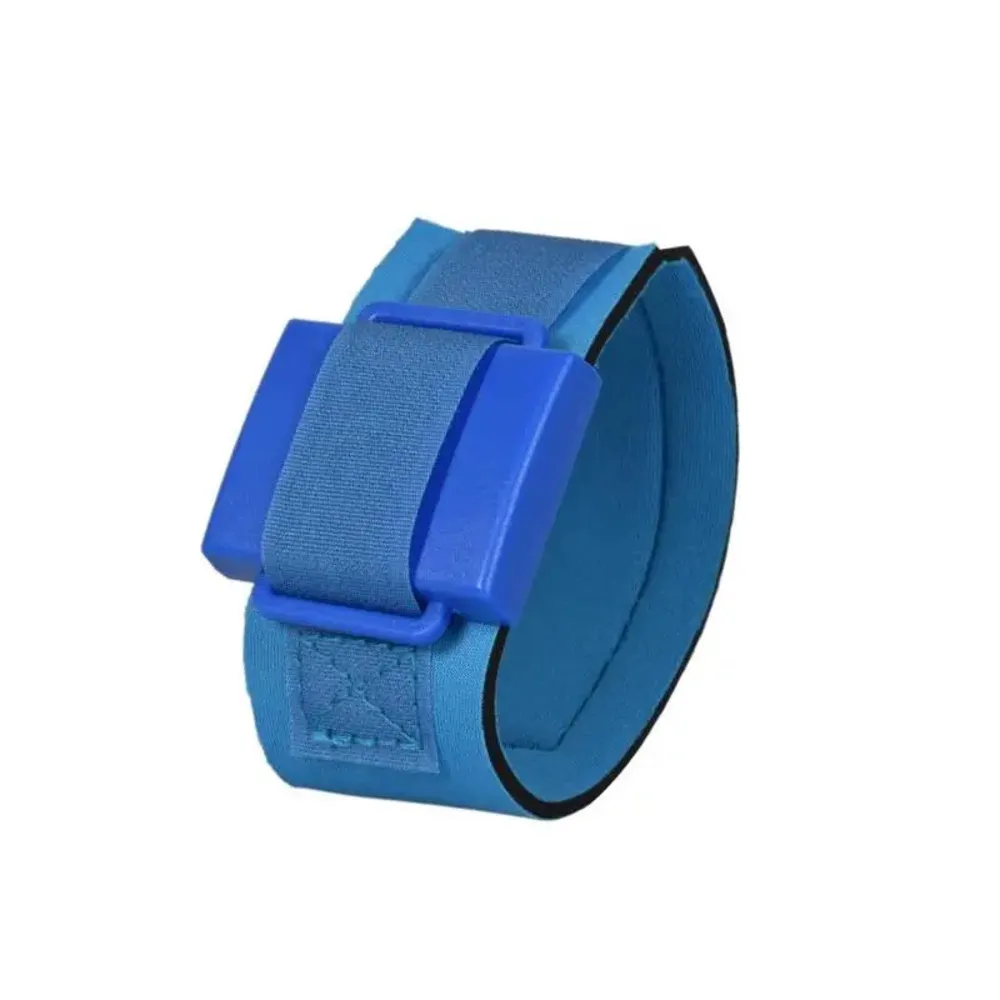
A reusable UHF RFID timing band for races: a 50 × 38 mm moulded chip housing threaded onto a woven elastic strap with a hook-and-loop closure. Supplied with a wrist strap or a longer ankle strap, and collected and reissued after each event.
- Model:
- IDTS-RTB5038
- Brand:
- Identium
- Chip:
- Higgs-3
- Protocol:
- ISO/IEC 18000-6C, EPC Class 1 Gen 2
- Frequency:
- 860–960 MHz (covers India 865–868 MHz)
- Read range:
- Up to 6 m, depending on the reader, antenna and tag position
- Datasheet:
- PDF · 203 KB
- Listing updated:
₹299
per piece + 18% GST
Min. order 100 piecesThe final price for your quantity is confirmed in the quote
- 7-day replacement · 1-year warranty against manufacturing defects
- Blue Dart next-day delivery
Sold by India RFID Store, the online catalogue of Identium Tech Solutions Pvt Ltd, an RFID manufacturer in New Delhi, India, in business since 2010.
Key features
- Reusable: the chip housing stays, only the strap is washed and reissued between events
- Higgs-3 passive UHF chip, EPC 96 or 128 bits, ISO/IEC 18000-6C
- 860–960 MHz, which covers India's licence-exempt 865–868 MHz band
- Read at up to 6 m, depending on the reader, antenna and where the band sits
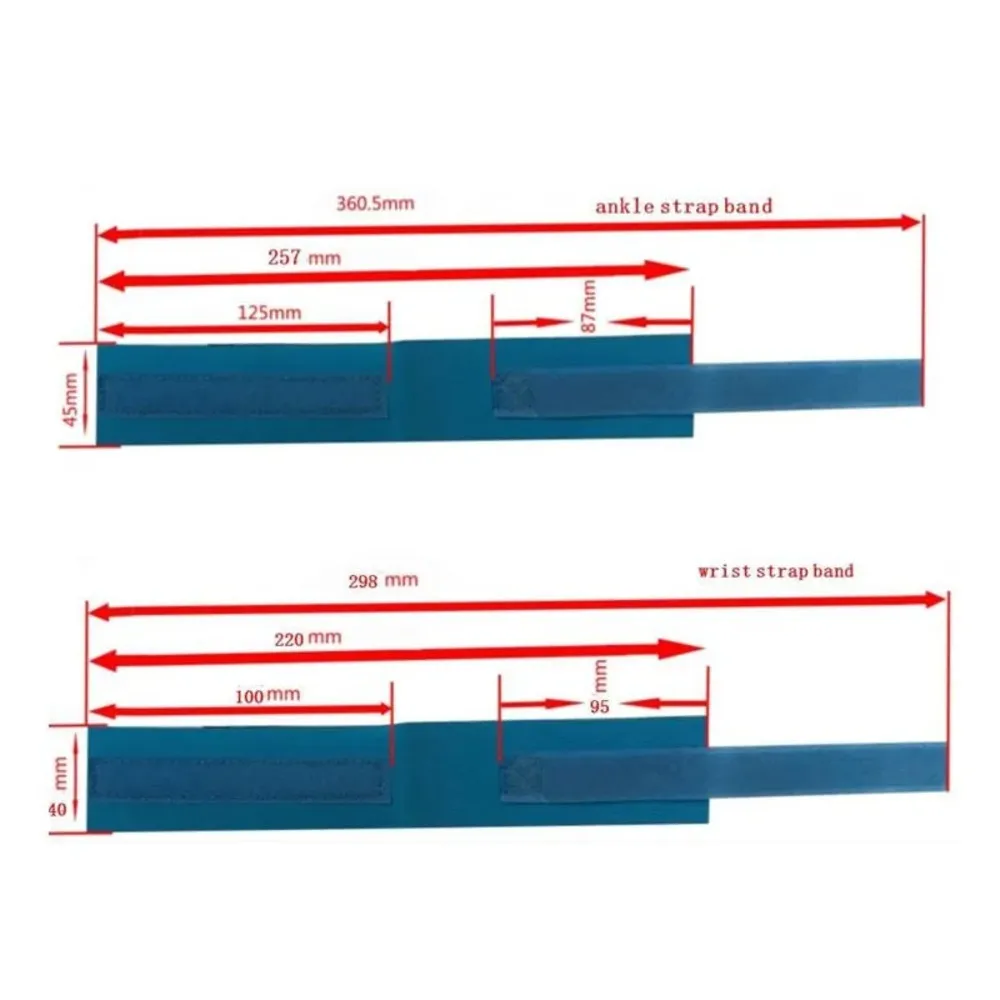
- Two strap lengths: ankle 360.5 × 45 mm, wrist 298 × 40 mm
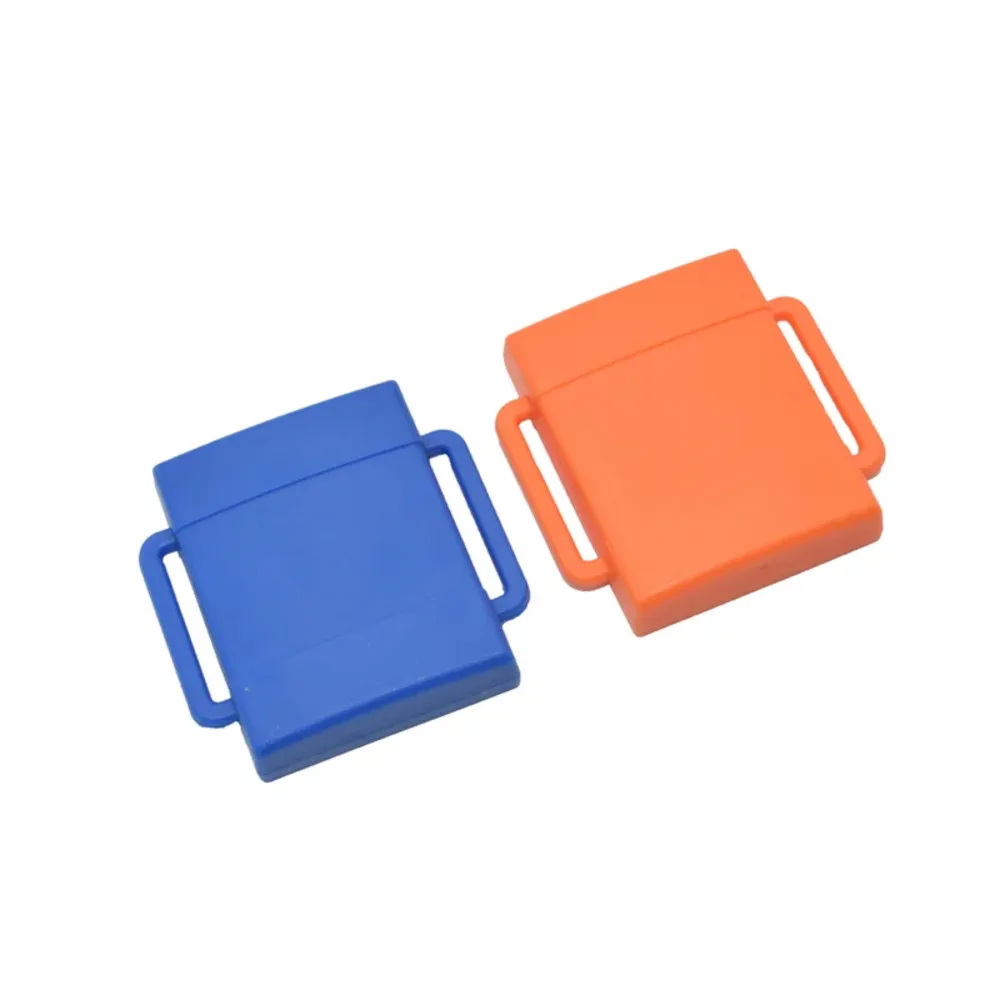
- Housing in blue or orange; colour and logo printing to order
Overview
A timing tag you get back at the finish line
Most race timing in India is done with a throwaway tag: a bib tag or a shoe tag that is printed, worn once and binned. That works for a one-off city marathon. It does not work for a club that runs an event every month, a pool that times swim squads all season, or a cycling circuit where the same riders come back week after week.
The IDTS-RTB5038 is built for those. The chip sits inside a 50 × 38 mm moulded housing with a slot at each end, and the strap threads through it. Collect the bands at the finish, wash the straps, re-encode the chips and issue them again at the next event.
Wrist or ankle
The band ships with one of two straps. The wrist strap is 298 × 40 mm and the ankle strap 360.5 × 45 mm; both are woven elastic closed with hook-and-loop, so the same band fits a junior swimmer and an adult cyclist. Where you put it matters for reads:
- Ankle suits running and triathlon. The band passes low and close to a mat antenna at the split and finish lines.
- Wrist suits swimming, cycling and staff tracking, where the ankle is in the water, inside a shoe cover or behind a frame.
How a reusable timing setup runs
- Encode. Write each bib or swimmer number into the chip's EPC with a desktop reader, and link it to the entrant in your timing software.
- Issue. Hand out the bands at registration against the entrant's number.
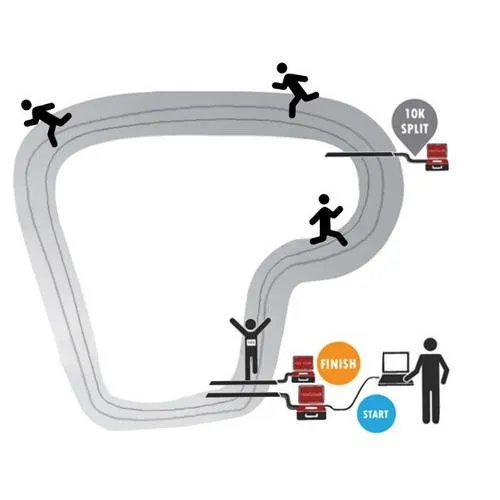
- Time. Mat or side antennas at the start, splits and finish read the band as the entrant passes.
- Collect and reissue. Take the bands back at the finish, wash the straps and re-encode for the next event.
What it needs to work
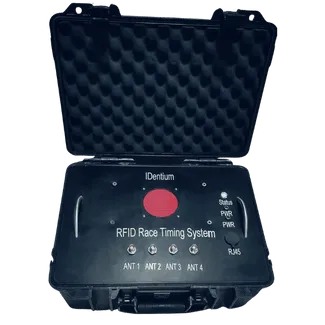
The band is a passive tag, so it only answers a reader. A timing setup needs antennas at each capture point and a fixed UHF reader behind them — see the Identium race timing solution for the complete package, or the race timing range for the parts on their own. The race timing guide covers mat placement, split points and the reader count, and the timing certificate rules explain what organisers in India have to record for a result to stand.
Ordering
Bands are listed at ₹299 + GST with a minimum order of 100 pcs. Tell us the strap you want and the housing colour; colour and logo printing are made to order, so allow extra time for a branded run. For larger fleets see bulk pricing.
Where the IDTS-RTB5038 is used
- Marathon and road races
- Triathlon timing
- Cycling and MTB races
- Swimming pool and aquatic events
- Staff and personnel tracking
Specifications
Datasheet (PDF)| Model | IDTS-RTB5038 |
|---|---|
| Chip | Higgs-3 |
| Protocol | ISO/IEC 18000-6C, EPC Class 1 Gen 2 |
| Frequency | 860–960 MHz (covers India 865–868 MHz) |
| Memory | EPC 96 or 128 bits |
| Operating mode | Passive |
| Read range | Up to 6 m, depending on the reader, antenna and tag position |
| Chip housing | 50 × 38 mm |
| Ankle strap | 360.5 × 45 mm |
| Wrist strap | 298 × 40 mm |
| Housing material | PVC |
| Strap | Woven elastic with a hook-and-loop closure |
| Colours | Blue or orange housing, blue strap |
| Working temperature | −40 °C to +85 °C |
| Reusable | Yes |
| Customisation | Colour and logo printing to order |
Frequently asked questions
How is this different from a disposable race timing tag?
What read range can we expect on a timing mat?
Can we use it in a swimming pool?
Can we print our club or event logo on it?
Does it work with Indian RFID readers?
How many times can a band be reused?
Related products
RFID Marathon Bibs
₹30 + GST
Min. order 500 pcs
Identium Race Timing Solution
₹3,50,000 + GST
Per piece
RFID Race Timing Services
₹150 + GST
Per participant
Battery-Operated RFID Race Timing Tag (30–40 ft Range)
₹300 + GST
Min. order 500 pcs