

RFID Rumen Bolus, 134.2 kHz FDX-B (Ceramic, ISO 11784/11785)
A ceramic bolus with a 134.2 kHz FDX-B transponder to ISO 11784/11785, given to a ruminant by mouth with a bolus applicator so it settles in the reticulum and gives the animal an identity that cannot be torn out like an ear tag. Read with the RA91 and other FDX-B readers.
Price on request
Min. order 500 piecesThe final price for your quantity is confirmed in the quote
- 7-day replacement · 1-year warranty against manufacturing defects
- Blue Dart next-day delivery
Key features
- 134.2 kHz FDX-B transponder to ISO 11784/11785, 15-digit ID
- Ceramic body stays in the reticulum for the animal's life, typical for the class
- Not torn out or swapped as an ear tag can be; no external mark
- Given orally with a bolus applicator by trained staff
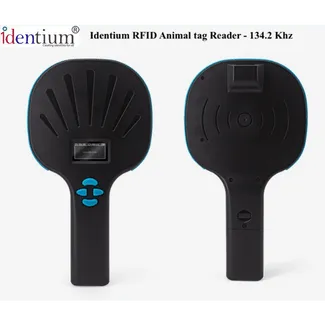
- Read with the RA91 and other FDX-B readers; range depends on the reader
- Frequency
- 134.2 kHz (LF)
- Standard
- ISO 11784/11785, FDX-B
Overview
An identity the animal cannot lose
Ear tags tear out and get swapped; a rumen bolus does not. The dense ceramic body is given to the animal by mouth with an applicator, drops into the reticulum and stays there for the animal's life, typical for the class. Inside is a 134.2 kHz FDX-B transponder to ISO 11784/11785, the same standard as our FDX-B ear tag and animal microchip, so the RA91 reader reads all three. That suits breeding, insurance and traceability records where the ID must be hard to remove or swap, and a visual ear tag with the same number lets staff identify the animal by eye.
Reading a bolus
The transponder is read through the animal's flank, where the reticulum sits, so the reader is held against the lower left side behind the foreleg rather than at the head. The range depends on the reader and the animal; the RA91 lists figures for glass-tube and ear tags but not for boluses, so test the read at the flank on your first animals. Read the animal before and after administration to confirm the bolus is in place.
Ordering
Boluses are sized by species: an adult-cattle bolus is larger and heavier than one for goats and sheep, and the size and weight are confirmed in the quotation. Minimum order 500 pcs, the consumables rule. Request a quote with the species and whether you need applicators; the animal and pet tags category and the municipal tagging guide cover the alternatives.
Where to use the RFID Rumen Bolus, 134.2 kHz FDX-B (Ceramic, ISO 11784/11785)
- Dairy and buffalo herds
- Goat and sheep flocks
- Breeding and insurance records
- Stray-cattle programmes
- Slaughterhouse traceability
Specifications
Datasheet (PDF)| Frequency | 134.2 kHz (LF) |
|---|---|
| Standard | ISO 11784/11785, FDX-B |
| ID | 15-digit ISO code, unique per bolus |
| Body | Ceramic, typical for the class; size and weight by species, confirmed in the quotation |
| Administration | Oral, with a bolus applicator, by trained staff or a veterinarian |
| Position | Settles in the reticulum, typical for the class |
| Read with | 134.2 kHz FDX-B readers such as the RA91; read range depends on the reader and the animal |
| Marking | ID list supplied with the batch; a matching visual ear tag is recommended |
Frequently asked questions
Is a bolus safe for the animal?
Can a bolus be read from a distance like a UHF ear tag?
Do I still need an ear tag?
Related products
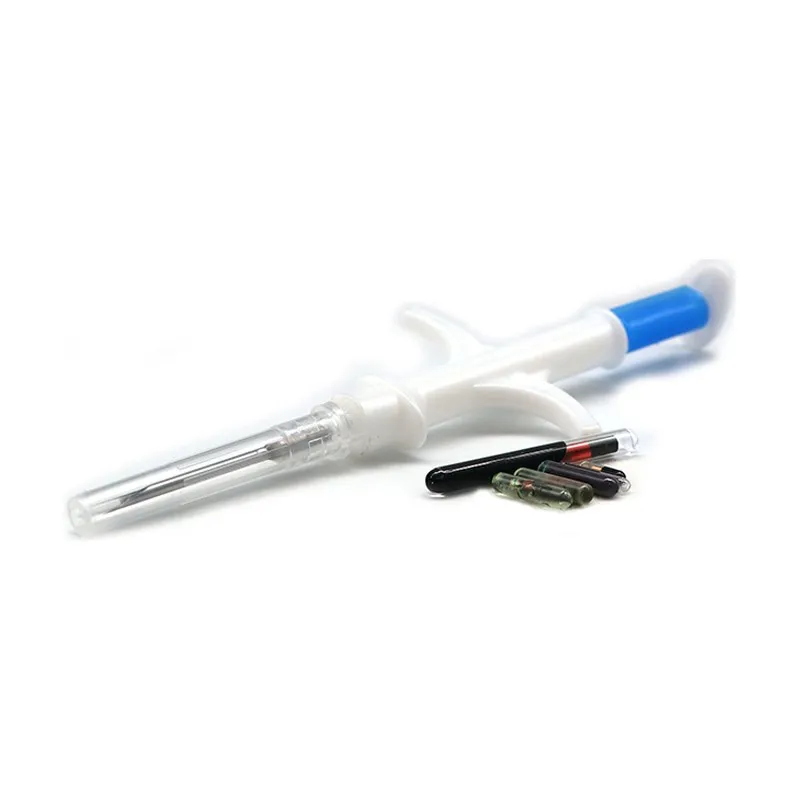
IDTS-AMC134
Animal Microchip with Syringe, 134.2 kHz FDX-B IDTS-AMC134
Price on request
Min. order 500 pcs
RFID Ear Tag, 134.2 kHz FDX-B (ISO 11784/11785), Two-Piece Button, TPU
Price on request
Min. order 500 pcs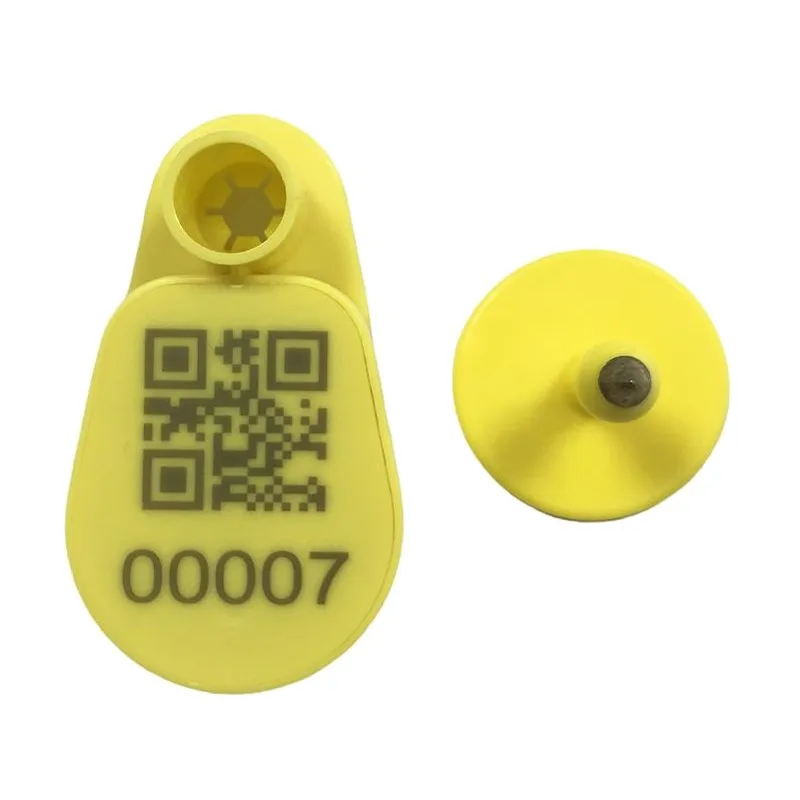
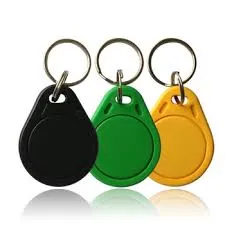
LF RFID Keyfob Tag (53 × 37 mm, IP67)
₹20 + GST
Min. order 500 pcs
RFID Small ABS Tag
₹30 + GST
Min. order 500 pcs
LF RFID Coin Tag (125 kHz, 25 mm × 1.2 mm PVC)
₹22 + GST
Min. order 500 pcs
PVC RFID Coin tag
₹25 + GST
Min. order 500 pcs