Identium Tech Solutions · RFID manufacturer, New Delhi · 1-year warranty · Blue Dart next-day delivery

India RFID Store
Animal Microchip with Syringe, 134.2 kHz FDX-B IDTS-AMC134Animal Microchip with Syringe, 134.2 kHz FDX-B IDTS-AMC134 — image 2Animal Microchip with Syringe, 134.2 kHz FDX-B IDTS-AMC134 — image 3Animal Microchip with Syringe, 134.2 kHz FDX-B IDTS-AMC134 — image 4
Model IDTS-AMC134Identium

Animal Microchip with Syringe, 134.2 kHz FDX-B IDTS-AMC134

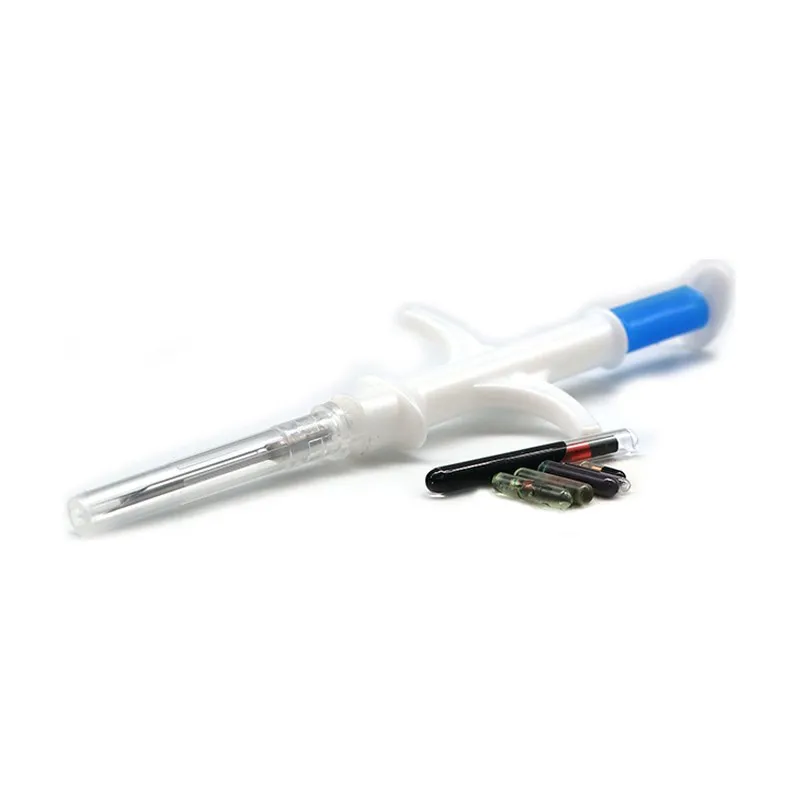
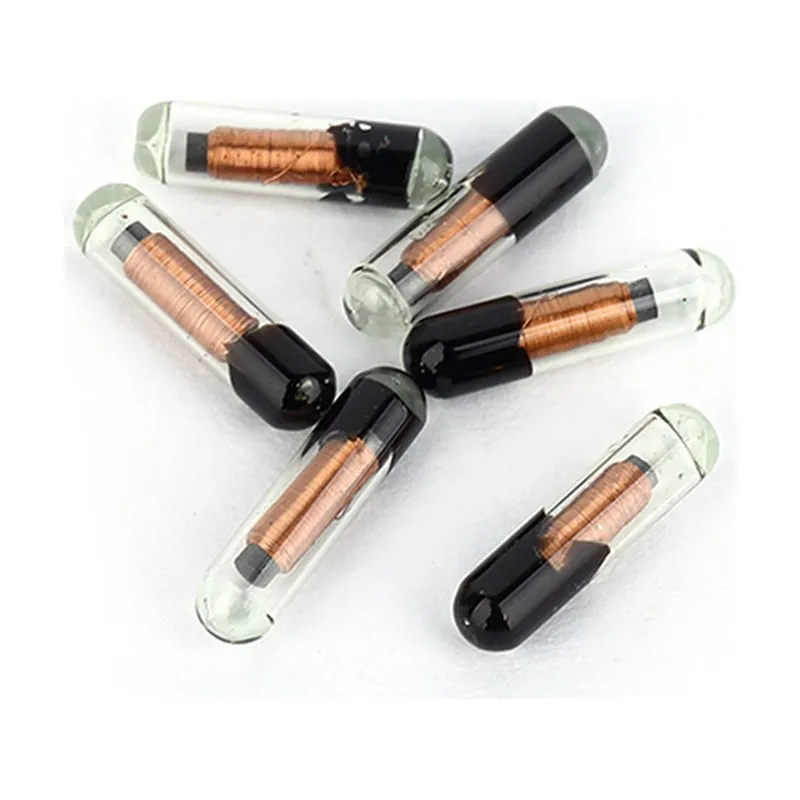
An implantable 134.2 kHz FDX-B glass microchip, about the size of a grain of rice, supplied loaded in a sterile single-use syringe. For identifying pets, livestock, laboratory animals and fish, with a 15-digit ISO 11784 number read by an FDX-B reader.

Price on request

Minimum order: 500 pieces · the final price for your quantity is confirmed in the quote

Choose a size

Optional — you can also confirm it in the quote

View datasheet PDF · 184 KB
  • 7-day replacement · 1-year warranty against manufacturing defects
  • Blue Dart next-day delivery
  • Samples ₹250 (1–2 pcs, incl. shipping) · request

Key features

  • 134.2 kHz FDX-B transponder to ISO 11784/11785, EM4305 chip
  • Bioglass capsule with an anti-migration coating, about the size of a grain of rice
  • Three sizes: 2.12 × 12 mm, 1.4 × 8 mm and 1.25 × 7 mm
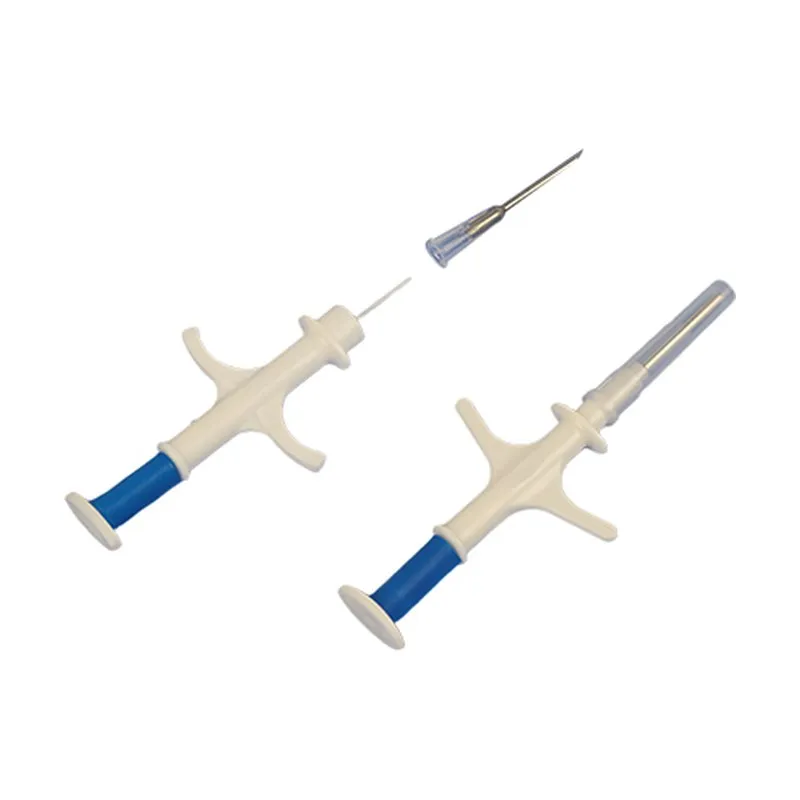
  • Pre-loaded single-use syringe, EO-sterilised; sterilisation valid for five years
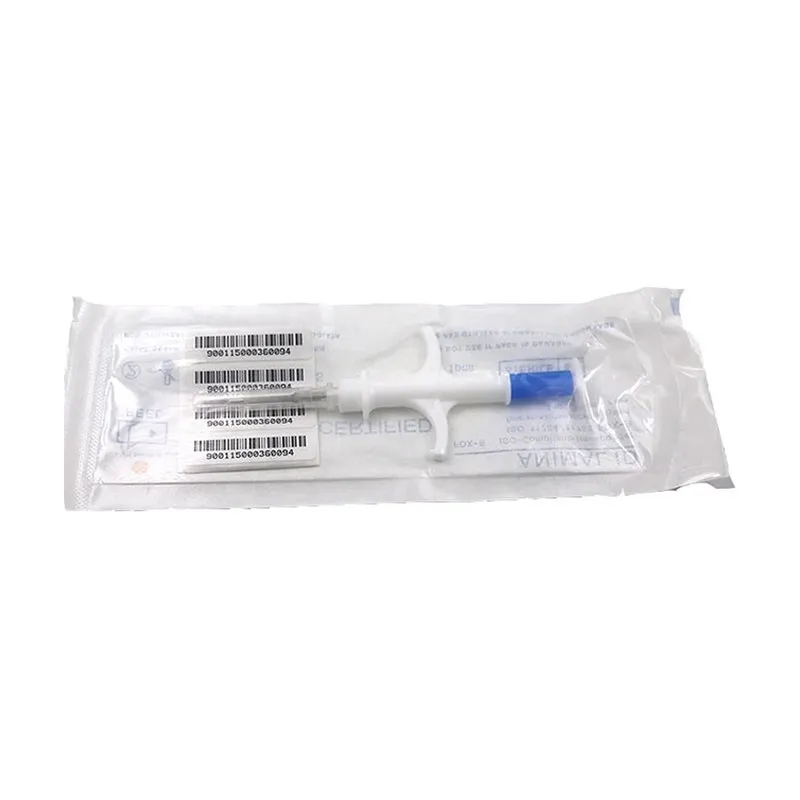
  • 15-digit code printed as a barcode on the pack, with sterilisation and expiry dates
  • Read with a 134.2 kHz FDX-B reader such as the RA91, held close to the implant site
Frequency
134.2 kHz (LF)
Protocol
ISO 11784/11785, FDX-B
Chip
EM4305

Overview

Pet and animal microchip with syringe, ready to implant

Each chip comes loaded in its own single-use, EO-sterilised syringe, ready to implant. It suits veterinary clinics, pet registration drives, dairy and livestock farms, and research laboratories that identify animals by an implanted number.

Choosing a chip size

As a general rule, the 12 mm chip is the common pet microchip size for dogs and cats, and is also used for livestock and horses. The two smaller sizes are used where a smaller implant is needed, such as very small animals. With low-frequency tags, a larger chip usually reads from a little further away on the same reader.

When you ask for a quote, tell us the species, the size and quantity you need of each, and whether you also need a reader.

Implanting and reading the chip

Have a veterinarian or trained handler implant the chip; each syringe is used once and the needle cannot be removed.

To read the chip, hold a 134.2 kHz FDX-B reader close to the implant site. Our RA91 handheld animal tag reader is the matching reader in our range.

For herds tagged on the ear instead, see our guide to RFID livestock ear tags. For municipal dog and stray-cattle tagging programmes, see our guide to RFID tagging for municipal corporations.

Typical applications

  • Dog and cat ID
  • Lost-pet return
  • Cattle insurance ID
  • Breeding traceability
  • Pig and sheep ID
  • Horse identification
  • Laboratory animal ID
  • Fish identification

Specifications

Datasheet (PDF)
Frequency134.2 kHz (LF)
ProtocolISO 11784/11785, FDX-B
ChipEM4305
ID number15-digit code, printed as a barcode on the pack
Size2.12 × 12 mm, 1.4 × 8 mm, 1.25 × 7 mm
MaterialBioglass capsule with anti-migration surface coating
Rated durabilityOver 15 years (rated figure)
SyringeSingle-use, butterfly-type design; needle fixed to the syringe (not removable); white barrel
Weight8.5 g (syringe with chip)
SterilisationEthylene oxide (EO); valid for 5 years
PackagingIndividually packed in medical breathable paper; pack shows sterilisation date, expiry date and the 15-digit code barcode
Compatible with134.2 kHz FDX-B (ISO 11784/11785) readers such as the RA91 handheld; animal-management software

Frequently asked questions

Which reader do I need to read this microchip?
Any 134.2 kHz reader that supports FDX-B to ISO 11784/11785, held close to the implant site. Our RA91 handheld reads FDX-B and EMID tags and lists a read range of over 15 cm for glass tube tags; the distance you get depends on chip size and position, and is usually shorter with the smaller 8 mm and 7 mm chips. UHF and 13.56 MHz HF readers cannot read it.
Which chip size should I order?
Choose by the size of the animal and the implant site, and check with your veterinarian. If you are unsure, send us the species with your enquiry and we will confirm the size in the quotation.
Who should implant the chip, and how long is a syringe usable?
Implantation should be done by a veterinarian or a trained person. Each syringe is single-use and EO-sterilised, with the sterilisation valid for five years; check the expiry date printed on the pack before use.
Can the chip number go into our animal-management or herd software?
Yes. Each chip carries a 15-digit ISO 11784 number. Scan the barcode on the pack before implanting, or read the implant later with an FDX-B reader such as the RA91, and record that number against the animal in your animal-management software.
Can I read the microchip with a mobile phone?
Not with a phone's built-in NFC, which works at 13.56 MHz; this chip works at 134.2 kHz and needs an FDX-B reader. If you want a tag that phones can read, see our NFC pet identification tag, which is worn on the collar.

Related products

All LF RFID Tags →

Your quote list

Saved on this device. No payment is taken online.

Your list is empty. Use “Add to quote” on any product, then send one request for everything.