Indian Railways RFID Tags: CRIS, GS1 Encoding, Readers and Rivet Kits Explained for Suppliers
Published 6 Sept 2026Updated 12 Oct 20268 min read
Short answer: An Indian Railways RFID tag is a rugged passive UHF on-metal tag, encoded to GS1 EPC Gen2 V2 and riveted to a coach, wagon or locomotive, so the vehicle is read automatically by fixed readers at yards, maintenance depots and workshops and by portable readers in the field. The September 2026 tender wave splits that one system into separate line items (coach tags, WAG9 loco tags, GS1-standard tags, UHF readers, blind rivets, installation kits, even drill machines), which is why suppliers read them as unrelated buys when most of them trace back to one programme.
This guide is written for zonal stores officers, for depot and workshop engineers raising these line items, and for tag suppliers and integrators weighing up rolling stock. It is not a bidding walkthrough: local content, purchase preference and radio-approval paperwork are covered in the guide to RFID government tenders in India.
What is Indian Railways buying in the September 2026 RFID tenders?
On 5 September 2026, Indian Railways line items dominated the 37 active RFID tag tenders visible on public aggregators, with listings closing between 8 and 25 September 2026. Grouped by item type, they look like this.
| Line item as listed | States listed | Closing (Sep 2026) | What it signals |
|---|---|---|---|
| RFID tag as per GS1 standards | Gujarat | 14 | Generic rolling-stock tag; encoding rules matter most |
| RFID tag for LHB coaches | Maharashtra | 17 | Coaching-stock variant |
| RFID tag for WAG9 locomotives | Uttar Pradesh, Andhra Pradesh | 17, 15 | Loco fitment; two states, same class |
| RFID tag for AC electric locomotives | Andhra Pradesh | 18 | Broader loco category than WAG9 alone |
| RFID tag and blind rivet | Rajasthan, Gujarat, West Bengal | 9, 17, 23 | Fitment is part of the deliverable |
| Installation kit for UHF tag fitment | Delhi, West Bengal, Gujarat | 8, 10, 9 | Depot tooling, replenished separately |
| Drill machine for tag or bracket fitting | Gujarat | 11 | Holes are made on site |
| RFID reader (UHF) | Telangana | 15 | No form factor stated; read the document |
| Portable UHF reader | Maharashtra, Andhra Pradesh | 21, 15 | Handheld verification and manual reads |
| Portable reader as per CRIS specification | West Bengal | 25 | Tied to the CRIS system, not a generic handheld |
The pattern holds more widely: of 83 RFID tenders listed across India in 2026, Railways accounts for 25, ahead of defence at 15, education at 11 and coal and mines at 10. These listings showed descriptions, states and closing dates only, with no quantities, values or buying division, so never size a bid from an aggregator.
How does the CRIS rolling-stock RFID system work end to end?
It is an automatic vehicle identification loop. Each wagon, coach or locomotive carries a passive UHF tag. Fixed readers at yards, maintenance depots and workshops read vehicles as they pass or stand; portable readers cover checks where no fixed reader exists. Each read feeds the rolling-stock database, so vehicle movement becomes a record rather than a manual entry.
The tags are GS1 EPC Gen2 V2, with data written into both the EPC bank and User Memory. CRIS designed the system to be vendor-agnostic and open in architecture, and a July 2023 report noted that a wider vendor base had brought tag prices down.
That report described roughly 188,000 wagons and about 20,000 coaches tagged at the time, 60 portable readers distributed with 1,125 on order, and 365 fixed readers planned across yards, maintenance depots and workshops. These are figures as reported then, not a live count.
The programme is older than that. Reporting from 2017 put the full scope at around 225,000 wagons, 50,000 coaches and 9,000 locomotives, with an early pilot on the Visakhapatnam–Talcher–Paradeep section and a read distance described then as about two metres. Every tag and reader here works in India's 865–868 MHz UHF band.
What does an Indian Railways RFID tag look like physically?
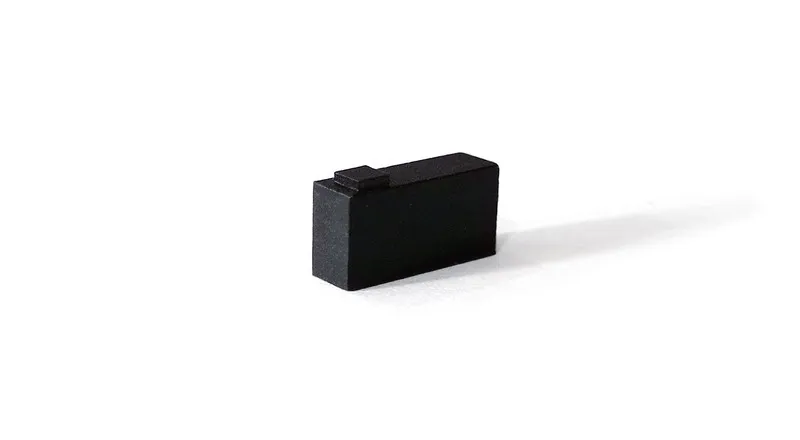
It is an on-metal UHF tag, not a paper label. Flat against steel, an ordinary inlay antenna detunes and the read collapses, so rolling-stock tags use on-metal construction: a PCB or ceramic substrate with a ground plane, or a rigid housing that holds the antenna at a controlled standoff. That trade-off is unpacked in the on-metal RFID tag selection guide.
The other half is data. Using both EPC and User Memory means the tag carries an identity that reads fast at a gate, plus attributes a reader can pull on demand. Do not assume a retail-style encoding applies: structure, field lengths and what is permitted in User Memory come from the tender's own specification document, and that is the only thing to encode against.
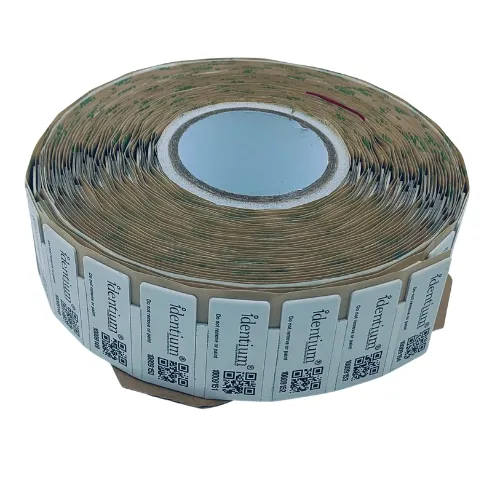
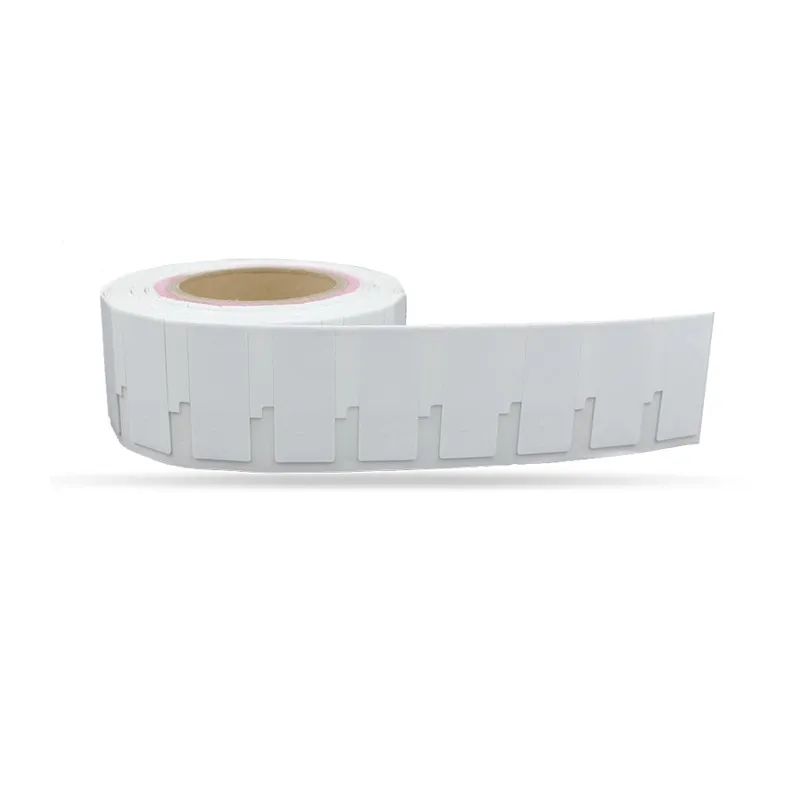
On hardware, rugged on-metal RFID tags, PCB and ceramic tags and general UHF RFID tags are the categories a rail bid draws from.
Why do the tenders bundle blind rivets, kits and drill machines?
Because fitment is the failure point, not the silicon. Indian Railways affixes these tags with two break-stem fasteners set with a battery-powered tool, described as a fit-and-forget procedure. A blind rivet sets permanently from one side of the panel, which matters where there is no rear access, and holds against the vibration and thermal cycling that work screws loose over the years.
So a depot needs the tag, the right rivet, a bracket where the surface is unsuitable, a drill and a setting tool, each consumed at a different rate, hence different buying cycles. If you quote tags with rivets as one item, confirm grip range and material against the tender specification rather than shipping your standard fastener. Mismatched rivets are the cheapest way to fail an inspection.
Why are coach, locomotive and wagon tags different products?
Because the three fleets present different mounting surfaces and environments even when the chip and encoding match. The tender's own specification document governs position, bracket and fastener for each; the table below is fleet context, not a substitute for it.
| Fleet | Where these vehicles are typically handled | Conditions the tag lives with | What to confirm before quoting |
|---|---|---|---|
| LHB coaches (live September line item) | Maintenance depots and workshops | Repeated washing and cleaning chemicals, brake dust, frequent movements | Mounting location; whether a bracket is supplied or fabricated |
| WAG9 and AC electric locos (live September line items) | Maintenance depots and workshops | Heat near traction equipment, oil and grease, sustained vibration | WAG9 only or all AC electric classes; the surface at the mount point |
| Freight wagons (the largest tagged fleet; no wagon tag line item in this September list) | Yards, maintenance depots and workshops | Loading impact, dust, cargo residue, long outdoor exposure | Impact protection and unit cost, if and when a wagon item is listed |
One tag family with variant housings beats three unrelated products. If the tender calls for samples, submit them fitted as it describes, on representative steel: a bench test with the tag lying loose is where any on-metal tag looks fine.
What does "portable UHF reader as per CRIS specification" mean?
The specification itself is not public. From how the system is described, you would expect at least a reader working inside India's 865–868 MHz band, decoding GS1 EPC Gen2 V2, and built for yard and depot conditions, but only the document named in your tender settles it. A warehouse handheld is not compliant just because it is UHF.
| Reader type | Where it fits | Watch-outs |
|---|---|---|
| Rugged handheld | Verification after fitment and spot checks where no fixed reader is installed | Battery endurance across a shift; glove-usable keys; drop and ingress protection |
| Bluetooth sled with phone or tablet | Field teams already carrying a device for app and camera | Pairing reliability; whether the host device is approved for depot use |
| Fixed reader with external antennas | Yards, maintenance depots and workshops, the locations named in the 2023 rollout reporting | Antenna placement, cabling, power, weather-exposed mounting |
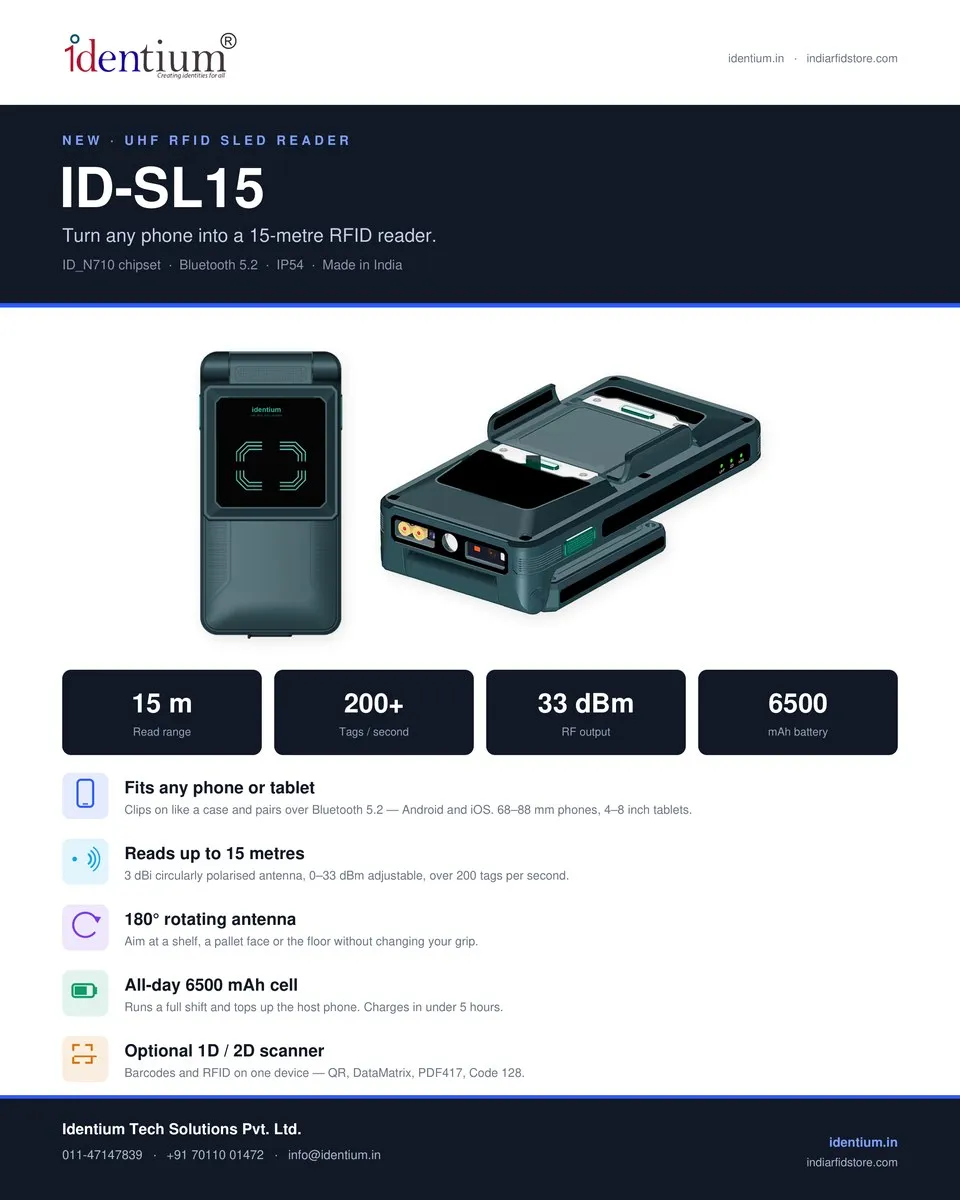
For portable work, look at RFID handheld readers and sleds such as the ID-SL15 Bluetooth sled reader. For fixed read points, use UHF RFID readers with the right RFID antenna.
What do these tags cost, and what changed since 2017?
There is no single public price, and old reporting is not a quoting basis. A 2017 industry report carried a per-unit estimate for the CRIS-designed tag, but it is nine years old and was an estimate even then. By 2023, reporting noted that a wider vendor base had reduced tag prices, the normal trajectory once a specification stabilises and more suppliers qualify.
Price on your own bill of materials, not on history. On-metal tag cost is driven by substrate, housing, encapsulation and serialisation, and moves with volume; reader cost depends on form factor, ruggedisation and antenna count.
What should a supplier prepare before bidding?
- Obtain the tender's specification document and encode strictly to it, never to an assumed EPC scheme.
- Confirm the fastener: rivet type, grip range, material, and whether a bracket is included.
- Test samples fitted on representative steel, in the position the specification describes.
- Check whether the item is tags only, tags with rivets, or tags plus an installation kit.
- Verify that your reader works within the 865–868 MHz Indian band and carries the required radio approvals.
- Line up local-content paperwork early, and read closing dates against your own production and dispatch lead time.
Frequency notifications, GS1 encoding rules and CRIS specification versions all change, and only the issuing authority's current document is authoritative. Verify the WPC position on the band, the GS1 rules and the specification version cited in your tender before you quote or build.
Rolling stock is one of the few RFID applications where tag, fastener, tool and reader are bought as separate line items by different depots, and getting one wrong wastes the other three. India RFID Store, the storefront of Identium Tech Solutions, supplies on-metal and UHF tags, handheld and fixed readers and antennas for the Indian 865–868 MHz band. If you are scoping a read point or preparing samples against a specification, tell us the specification and volume and we will match hardware to it.
Related
Frequently asked questions
Is an Indian Railways RFID tag the same as a FASTag?
What does “as per GS1 standards” mean on a railway tag tender?
Why blind rivets instead of screws or adhesive?
Can a standard warehouse UHF label be used on a coach or wagon?
Do I need my own reader to bid on a railway tag tender?
How far can an Indian Railways RFID tag be read?
Indian Railways RFIDCRIS RFIDGS1 EPC Gen2LHB coach tagWAG9 locomotive tagrolling stock trackingrailway tenderson-metal UHF tags