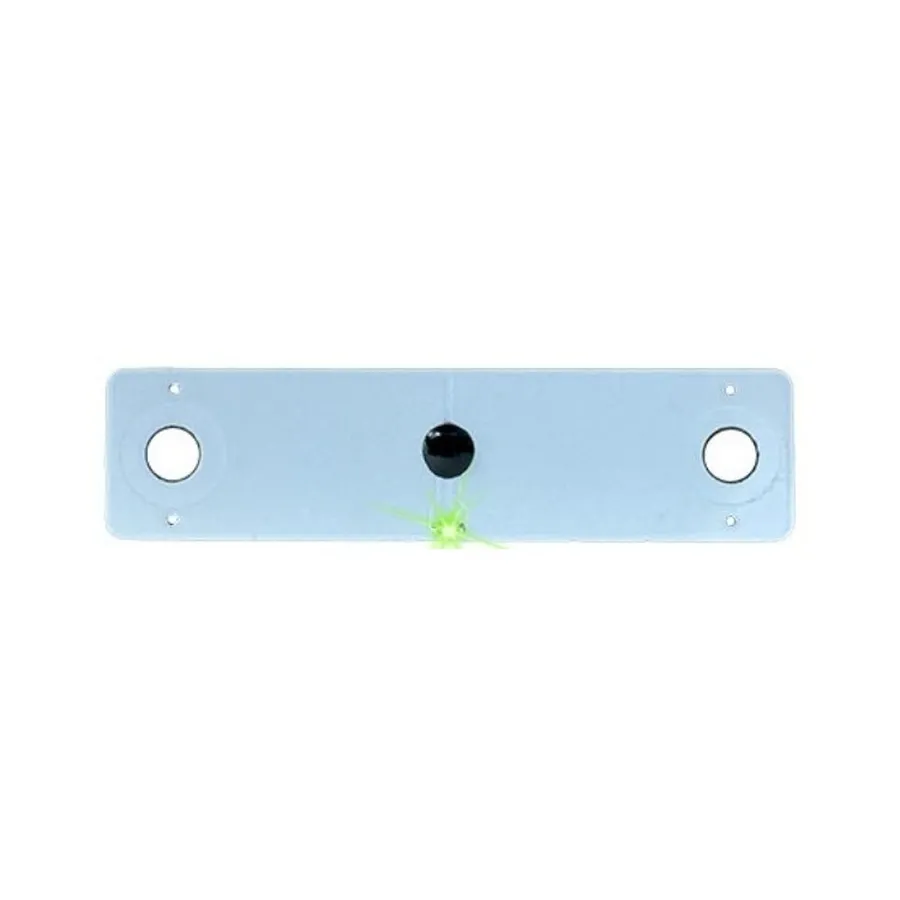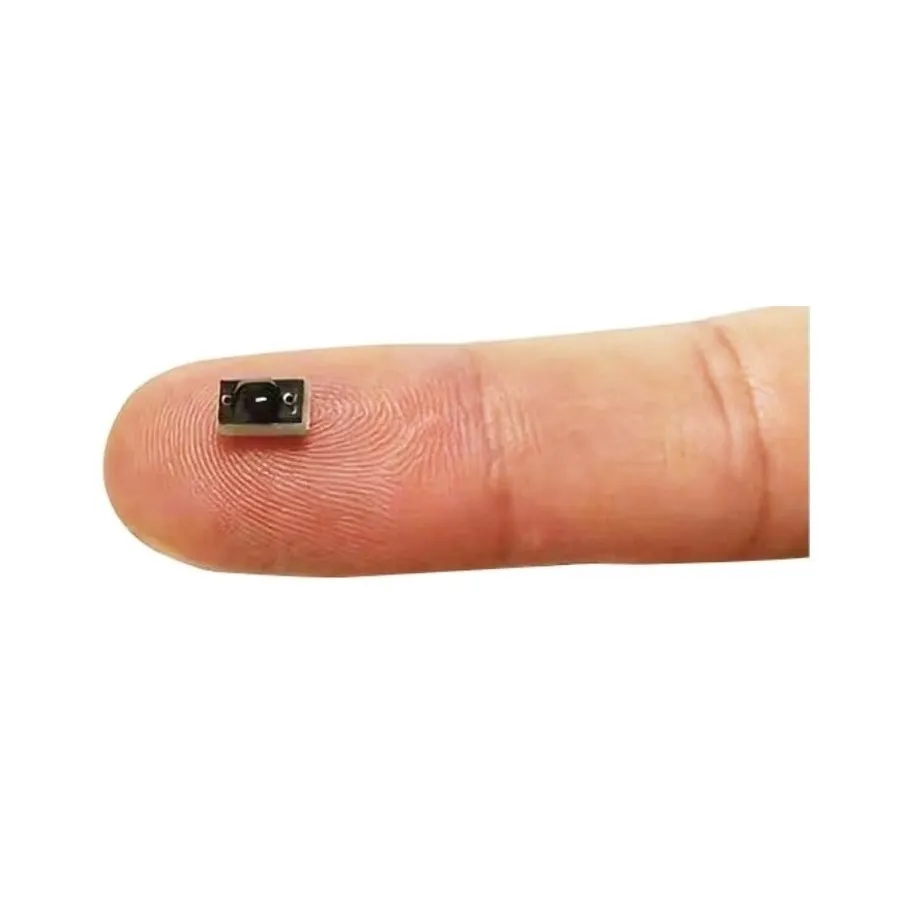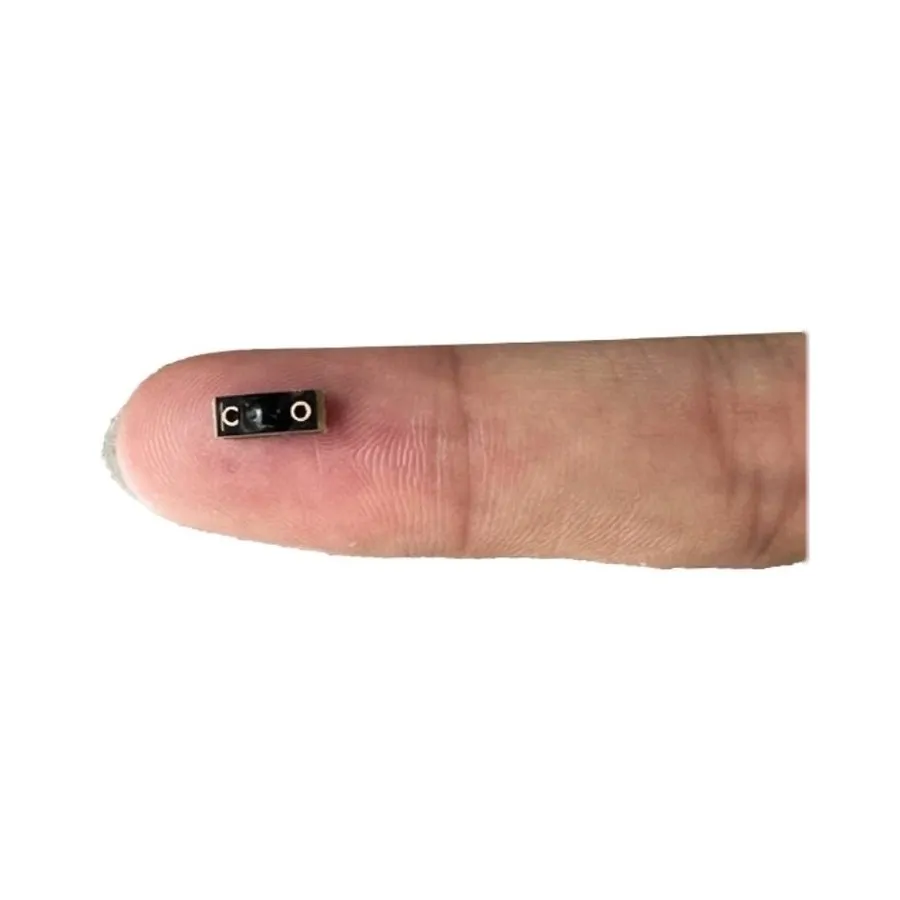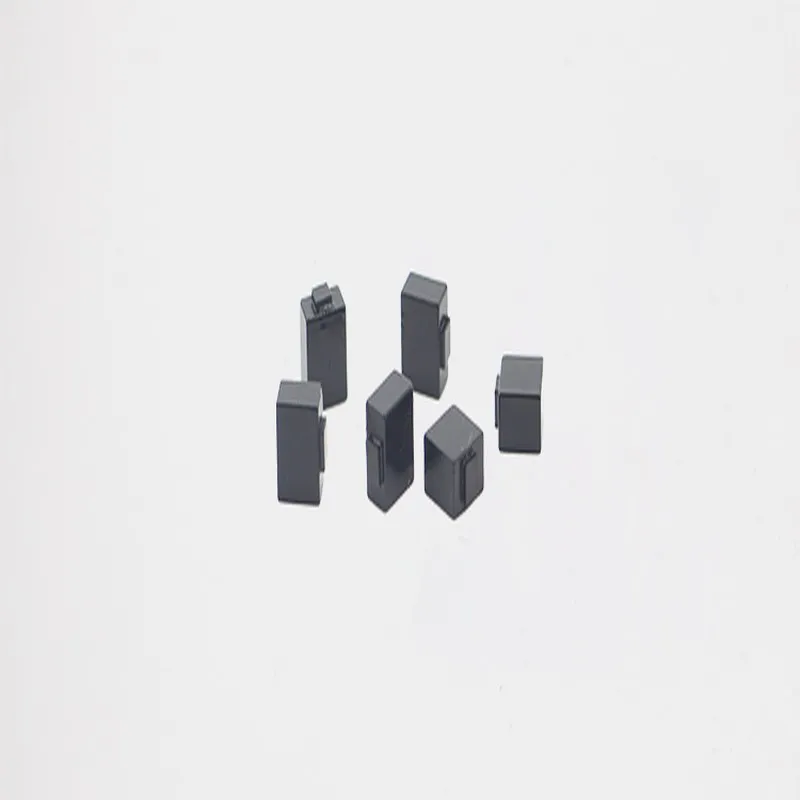
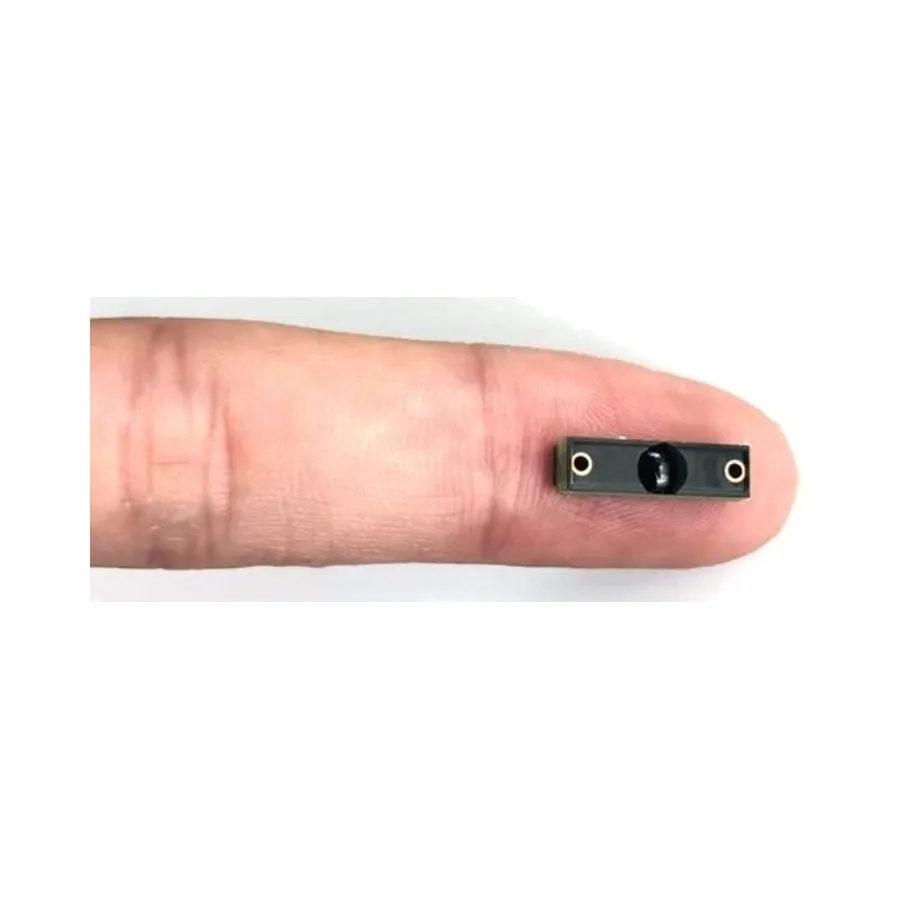
Micro Ceramic UHF On-Metal RFID Tag ID-C6009 (5 × 5 × 3 mm)
A 5 × 5 × 3 mm, 0.4 g ceramic UHF RFID tag that is bonded onto or embedded into metal, for surgical instruments, small tools, bearings and spare parts with almost no free surface.
₹475
per piece + 18% GST
Minimum order: 500 pieces · the final price for your quantity is confirmed in the quote
View datasheet PDF · 184 KB- 7-day replacement · 1-year warranty against manufacturing defects
- Blue Dart next-day delivery
- Samples ₹250 (1–2 pcs, incl. shipping) · request
Key features
- 5 × 5 × 3 mm, 0.4 g ceramic body for very small metal items
- Up to 3.0 m on metal (ETSI) and 3.3 m on metal (FCC)
- Withstands repeated autoclave cycles and industrial chemical washes
- IP68; operates from -40 °C to +85 °C, survives -40 °C to +250 °C
- ATEX certified; meets FDA requirements for medical environments
- Alien Higgs-3 chip with 96-bit EPC and 512-bit user memory
- Frequency
- UHF (ETSI / FCC)
- Protocol
- EPC Class 1 Gen 2 (ISO 18000-6C)
- Chip
- Alien Higgs-3
- Read range
- Up to 3.0 m on metal (ETSI) / 3.3 m on metal (FCC)
Overview
A micro ceramic on-metal UHF tag for instruments and small parts
The ID-C6009 is built for metal items that leave almost no room for a tag: scalpels and other surgical instruments, small hand tools, bearings and auto spare parts. At 5 × 5 × 3 mm and 0.4 g it can be epoxy-bonded onto a small flat face or embedded in a shallow pocket, so it barely changes how the item is held or used.
Made for sterilisation and wash-down
The ceramic body is IP68 and is rated to withstand repeated autoclave sterilisation cycles and industrial chemical washes. It operates from -40 °C to +85 °C, survives exposure from -40 °C to +250 °C and tolerates humidity up to 98% non-condensing. That makes it a candidate for instrument sets that pass through a hospital CSSD every day, and for parts cleaned on industrial wash lines.
Reading a tag this small
Read range is rated up to 3.0 m on metal (ETSI) and 3.3 m (FCC). In a real instrument tray, tags sit close together and at random angles, so test with your own trays and reader before deciding on a workflow. A UHF handheld reader or a fixed reader at the counting point are the usual ways to check a set.
The ID-C6009 is ATEX certified and meets FDA requirements for medical environments. If your safety or compliance team needs certificate details, confirm them with us when you request a quote.
See more sizes in RFID PCB and ceramic tags, or read about RFID in Indian hospitals.
Typical applications
- Surgical instruments
- Small metal tools
- Bearings
- Auto spare parts
- Weapon inventory control
- Industrial asset tracking
Specifications
Datasheet (PDF)| Model | ID-C6009 |
|---|---|
| Frequency | UHF (ETSI / FCC) |
| Protocol | EPC Class 1 Gen 2 (ISO 18000-6C) |
| Chip | Alien Higgs-3 |
| Memory | EPC 96-bit, user 512-bit |
| Read range | Up to 3.0 m on metal (ETSI) / 3.3 m on metal (FCC) |
| Dimensions | 5 × 5 × 3 mm |
| Weight | 0.4 g |
| Material | Ceramic |
| Mounting | Epoxy bonding or embedded |
| IP rating | IP68 |
| Operating temperature | -40 °C to +85 °C |
| Survival temperature | -40 °C to +250 °C |
| Humidity | Up to 98% non-condensing |
| Write cycles | 100,000 |
| Data retention | Over 10 years |
| Certifications | ATEX; meets FDA requirements for medical environments |
Frequently asked questions
Can the ID-C6009 go through an autoclave?
How do I fix such a small tag to an instrument?
What read range should I expect?
Which frequency does it use in India?
Can it be custom encoded?
Related products
All RFID PCB and Ceramic Tags →
IDTS-0804
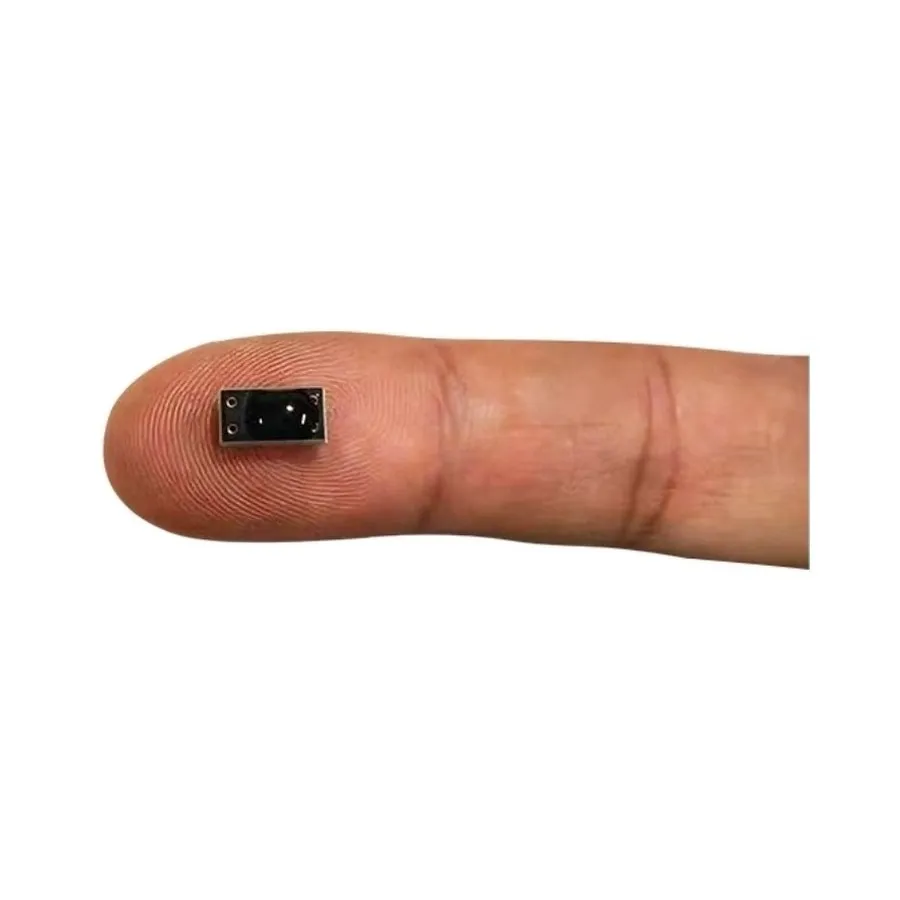
UHF Anti-Metal Miniature RFID PCB Tag IDTS-0804 (8 × 4 × 2.8 mm)
₹89 + GST
Min. order 500 pcs
IDTS-1504
UHF Anti-Metal RFID PCB Tag IDTS-1504 (15 × 4 × 3.5 mm, Screw Mount)
₹89 + GST
Min. order 500 pcs