UHF RFID Plant Label Stake IDTS-PSU8 (T-Type, UCODE 8)
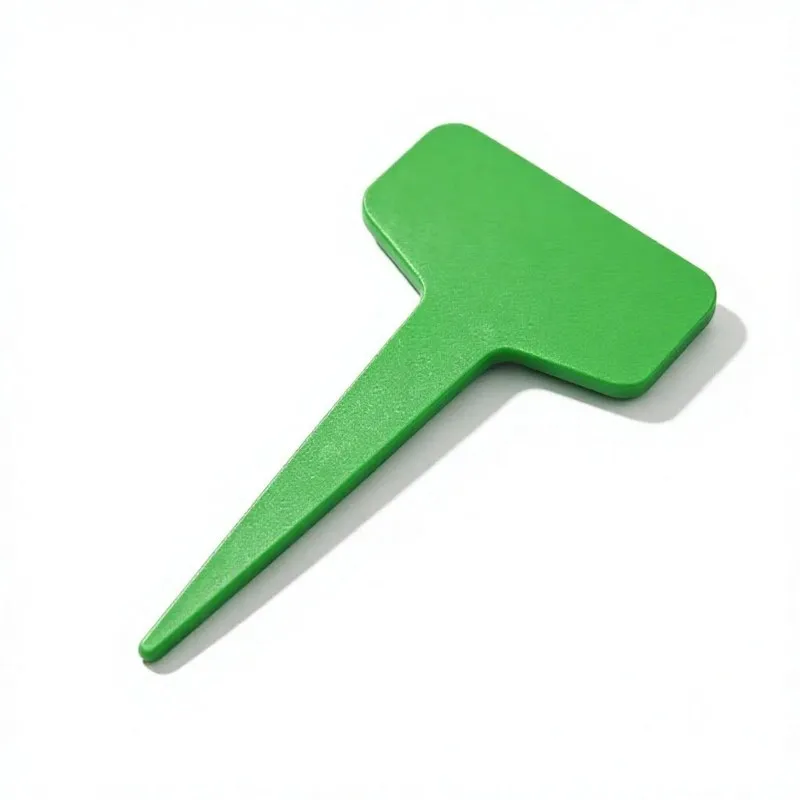
A T-shaped ABS RFID plant marker with a UHF chip, pushed into the soil or potting mix beside each plant. Nurseries, gardens and plantation teams read it with a UHF handheld reader and link its EPC number to that plant's record.
Price on request
Minimum order: 500 pieces · the final price for your quantity is confirmed in the quote
View datasheet PDF · 188 KB- 7-day replacement · 1-year warranty against manufacturing defects
- Blue Dart next-day delivery
- Samples ₹250 (1–2 pcs, incl. shipping) · request
Key features
- UHF EPC Gen2 (ISO/IEC 18000-6C), NXP UCODE 8; works in India's 865–868 MHz band
- Read with a UHF handheld without touching each stake; range confirmed by sample
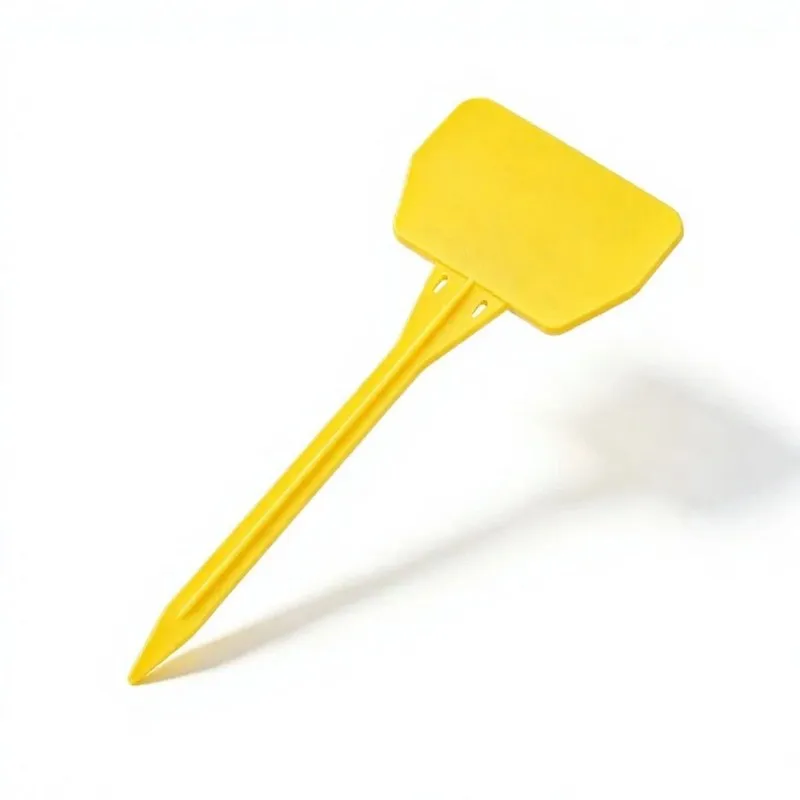
- T-type stake: a flat head on a pointed stem that pushes into soil or a pot
- Frosted ABS body; waterproof, sun resistant and corrosion resistant
- Flat head has room for the plant name or number; reusable on the next plant
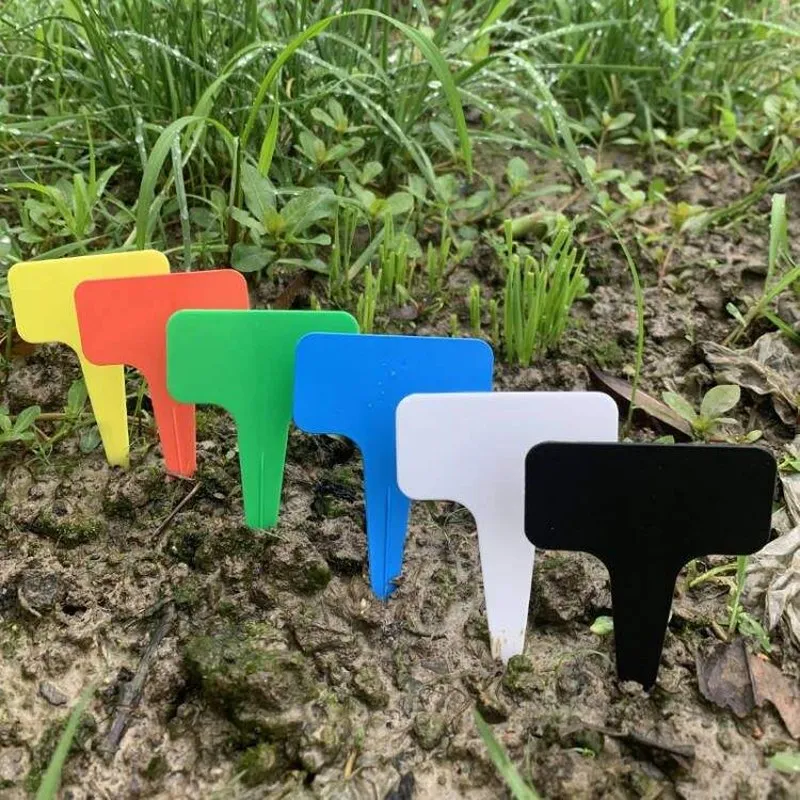
- Yellow and green as standard; black, red and blue also offered
- Frequency
- 860–960 MHz (works in India's 865–868 MHz band)
- Protocol
- EPC Class 1 Gen 2 / ISO/IEC 18000-6C
- Chip
- NXP UCODE 8 (other chips on request)
- Read range
- Depends on the reader and on soil moisture and water around the stake; confirm with a sample test
Overview
What a UHF RFID plant label stake does
The IDTS-PSU8 is a UHF plant tag shaped like a T-type garden plant marker, giving each plant its own EPC number. UHF readers usually capture many tags in a single sweep, so a handheld can often log a row of stakes as you walk along the bed, depending on the reader and soil moisture.
Placing and reading the stakes
- Place. Push the stem into the bed or pot next to the plant, head upright and facing the path.
- Link. Scan each new stake once and enter its EPC against the plant in your records. The chip has no user memory, so variety, sowing date and treatments stay in your software.
- Count. Take the handheld out at stock-take time, or to locate one plant among many.
Water absorbs UHF energy, so wet soil, irrigation and dense wet foliage cut read range. Test a sample stake in your own beds, at normal watering, before a large order.
When a tie tag or nail-in disc suits better
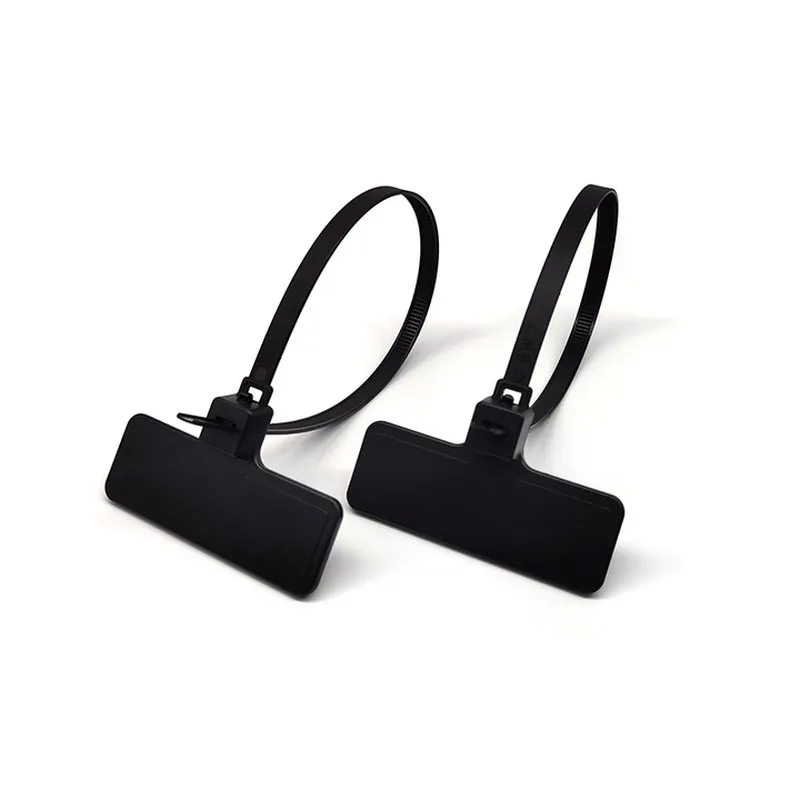
If the tag should stay on the plant itself, looped round a stem, branch, seedling bundle or tree guard, and staff read one plant at a time up close, choose the HF plant and tree tie tag IDTS-PTH165 (order it with an NFC chip for phone reading).
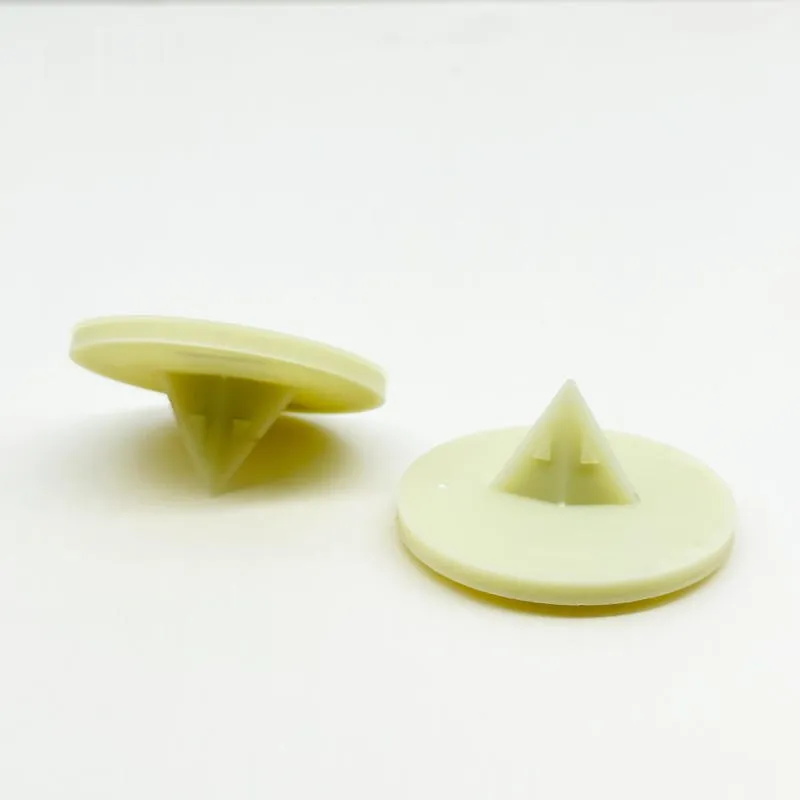
Where the tag must sit on the wood rather than in soil, on tree trunks, log ends or stacked timber, use the nail-in disc tag IDTS-TND1, nailed into the wood by its centre spike. With a UHF chip, the same handheld reads it too; range is confirmed by a sample. Other formats are under UHF RFID tags.
Typical applications
- Plant nurseries
- Greenhouses and polyhouses
- Botanical gardens
- Seed and crop trials
- Parks and forest plantations
- Heritage tree records
- Horticulture research
- Sapling plantation drives
Specifications
Datasheet (PDF)| Frequency | 860–960 MHz (works in India's 865–868 MHz band) |
|---|---|
| Protocol | EPC Class 1 Gen 2 / ISO/IEC 18000-6C |
| Chip | NXP UCODE 8 (other chips on request) |
| Memory | EPC 128 bits; TID 96 bits; user memory 0 bits |
| Material | ABS, frosted surface |
| Mounting | T-type stake: flat head on a pointed stem, pushed into soil or potting mix; slotted and solid stem styles are pictured, style confirmed when ordering |
| Dimensions | Not published; stake length and head size confirmed in your quotation |
| Colour | Yellow and green as standard; black, red and blue also offered (white appears in the colour photo); colour confirmed in your quotation |
| Environment | Specified as waterproof, sun resistant, corrosion resistant and anti-oxidation; tough and not easy to break |
| Read range | Depends on the reader and on soil moisture and water around the stake; confirm with a sample test |
| Compatible with | EPC Gen2 UHF RFID readers working in 865–868 MHz (handheld, sled or fixed); not readable by phone NFC |
Frequently asked questions
How far away can the IDTS-PSU8 be read?
Which reader do I need?
Can the stakes be reused?
Can the head carry plant names or numbers?
Will it last outdoors in sun and rain?
Related products
All UHF RFID Tags →
IDTS-TND1
RFID Tree & Timber Tag IDTS-TND1 (Nail-In Disc, HF or UHF)
Price on request
Min. order 500 pcs