
UHF RFID Library Label 125x7-H10 (125 × 7 mm)
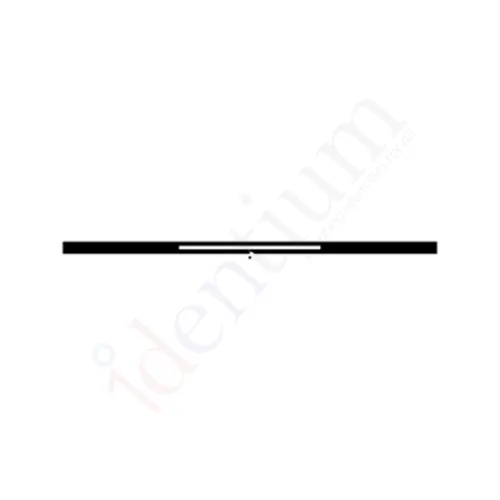
A slim 125 × 7 mm UHF RFID label for library books, built on the Alien Higgs 10 chip with a 95 × 3 mm etched aluminium antenna. Supplied on rolls for libraries tagging their collection for issue, return and stock checks.
₹7
per piece + 18% GST
Minimum order: 500 pieces · the final price for your quantity is confirmed in the quote
View datasheet PDF · 171 KB- 7-day replacement · 1-year warranty against manufacturing defects
- Blue Dart next-day delivery
- Samples ₹250 (1–2 pcs, incl. shipping) · request
Key features
- Narrow 125 × 7 mm label sized for book spines and gutters
- Alien Higgs 10 chip, ISO/IEC 18000-6C EPC Class 1 Gen 2
- 128-bit EPC, 96-bit TID and 32-bit user memory
- Etched aluminium antenna (95 × 3 mm) on 50 µm PET
- Rated for 200,000 write cycles and 50 years data retention
- Supplied on rolls with a 3-inch core, roll diameter up to 178 mm
- Chip
- Alien Higgs 10
- Protocol
- ISO/IEC 18000-6C, EPC Class 1 Gen 2
- Frequency
- 860–960 MHz (covers India's 865–868 MHz band)
- IC life
- 200,000 programming cycles; 50 years data retention
Overview
A UHF RFID library label shaped for book spines
The 125x7-H10 is a long, narrow UHF label made for library books. At 125 × 7 mm it can run along the spine or into the gutter of a book without covering the barcode, the title or any printed text, while the 95 mm antenna gives the tag enough length to be read from shelf distance.
Inside is the Alien Higgs 10 chip. The 128-bit EPC holds your accession or item number, and the 32 bits of user memory can carry a short code such as a branch or collection flag.
How a library uses it
- Issue and return: a UHF desktop reader at the counter or self-issue kiosk reads the label without the book being opened to a barcode.
- Shelf audits: a UHF handheld moved along the shelf picks up spines in bulk for stock verification and finding misplaced books.
- Exit security: a gate reader at the door flags books that were not issued.
Encoding and applying
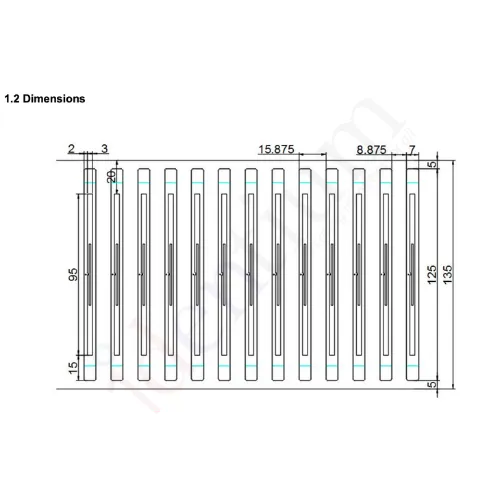
The labels run across a 135 mm liner at a 15.875 mm pitch on a 3-inch core. Write the accession number with a UHF desktop reader before or after applying, then lock the EPC if you do not want it changed. Keep the label clear of metal bookends and metallised covers, which detune UHF antennas. The RFID library management guide covers the full set-up.
Typical applications
- Library book tagging
- Self-issue kiosks
- Shelf stock verification
- Library exit gates
Specifications
Datasheet (PDF)| Chip | Alien Higgs 10 |
|---|---|
| Protocol | ISO/IEC 18000-6C, EPC Class 1 Gen 2 |
| Frequency | 860–960 MHz (covers India's 865–868 MHz band) |
| Memory | EPC 128 bits, TID 96 bits, User 32 bits |
| Passwords | Access 32 bits, Kill 32 bits |
| Operating mode | Passive |
| Dimensions | Label 125 × 7 mm (corner radius 1 mm); antenna 95 × 3 mm |
| Antenna | Etched aluminium (10 µm) on PET (50 µm) |
| Material | PET base, 50 µm |
| IC life | 200,000 programming cycles; 50 years data retention |
| ESD immunity | Up to 2,000 V |
| Label pitch | 15.875 mm (gap 8.875 mm) |
| Liner width | 135 mm |
| Packaging | Roll on 3-inch (76.2 mm) core, roll OD up to 178 mm |
Frequently asked questions
What size is the 125x7-H10 library label?
Which chip and memory does it use?
Will it work with UHF readers in India?
Which reader do I need for a library?
Where should the label go on the book?
Related products
All UHF RFID Inlays & Labels →
UHF RFID Label 50 × 30 mm (Impinj Monza R6)
₹8 + GST
Min. order 500 pcs
_Z4sCO.webp)

ID 73x21-H10
₹5 + GST
Min. order 500 pcs